教育普及・イベント
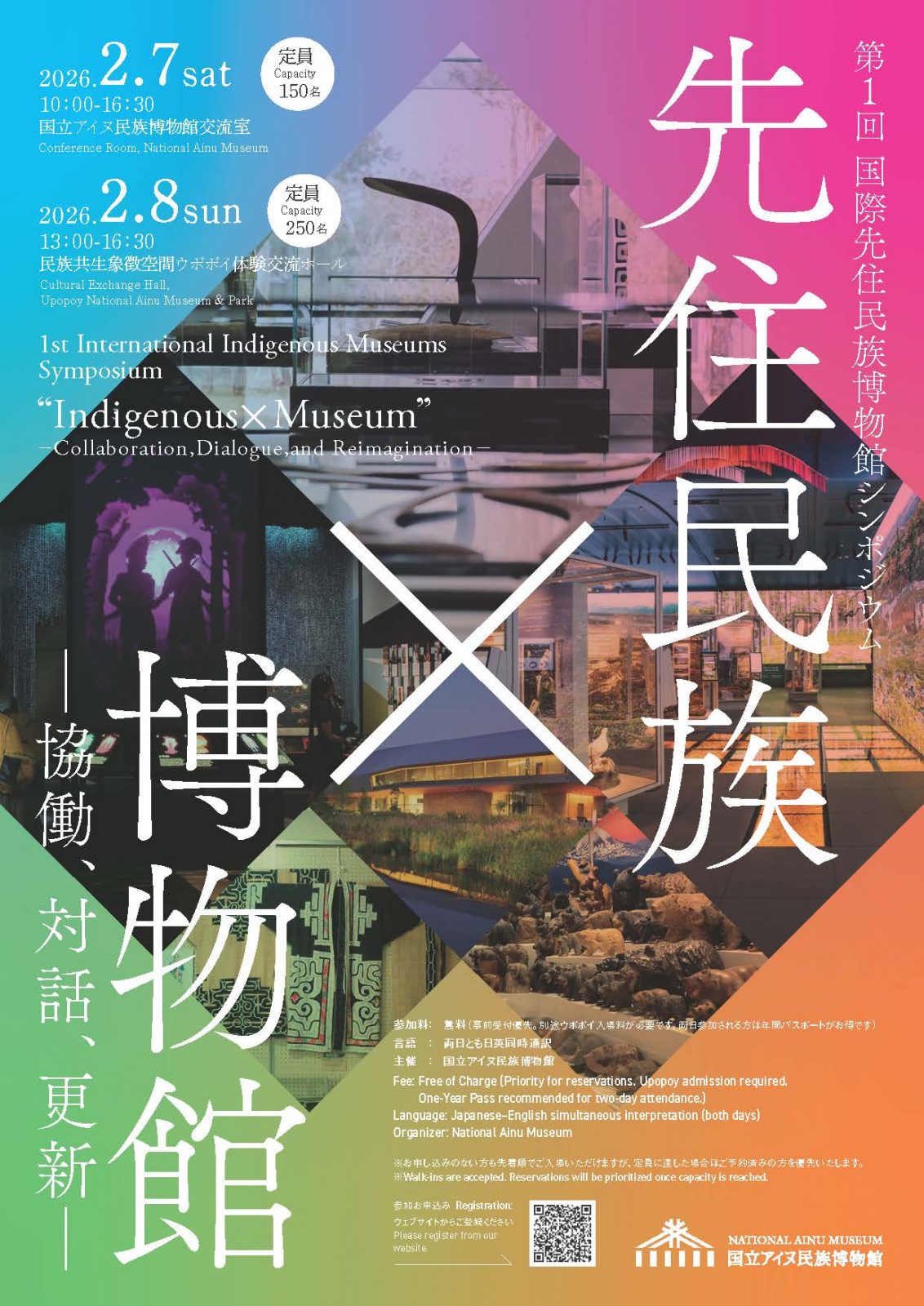
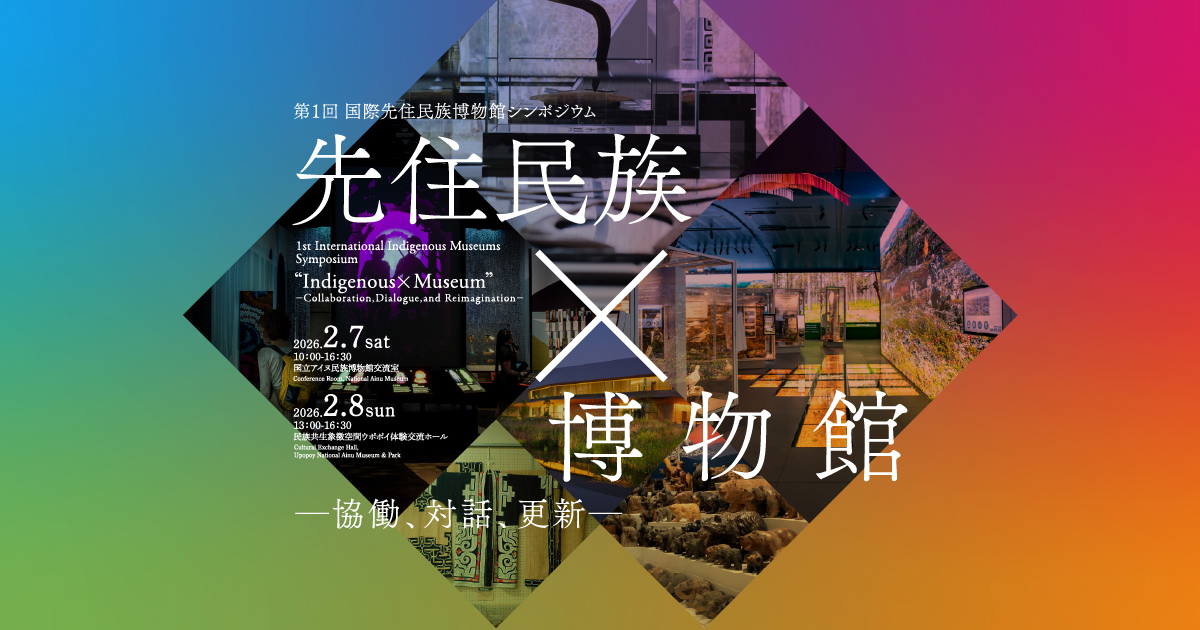
1st International Indigenous Museums Symposium “Indigenous × Museum” — Collaboration, Dialogue, and Reimagination —( - )
- Release Date:
Last Updated: January 31, 2026
This inaugural “International Indigenous Museums Symposium” brings together directors of six Indigenous museums from places currently called the United States, Australia, Finland, and Japan to discuss the complex and sensitive relationship between Indigenous Peoples and museums. In recent years, museums around the world have seen active discussion on the handling of collections linked to colonial past, the importance of perspective in exhibitions, and questions of research ethics. Meanwhile, museums founded by Indigenous Peoples have been serving their communities as spaces for practicing cultural knowledge and as important repositories of memory. The theme “Indigenous × Museums” is not only about reclaiming a lost past, but about how Indigenous Peoples are bringing new perspectives and renewed meaning to museums today.
Over the two days of discussion, guided by the key concepts of “collaboration, dialogue, and reimagination,” the symposium will address the complexity and sensitivity of Indigenous museums, as well as their significance, responsibilities, and future roles.
Overview
Date, Time & Venue
February 7 (Sat), 2026 10:00am – 4:30pm
Conference Room, National Ainu Museum (Capacity: 150)
*This venue is nearly full. Participants arriving after the start time may be required to stand.
February 8 (Sun), 2026 1:00pm – 4:30pm
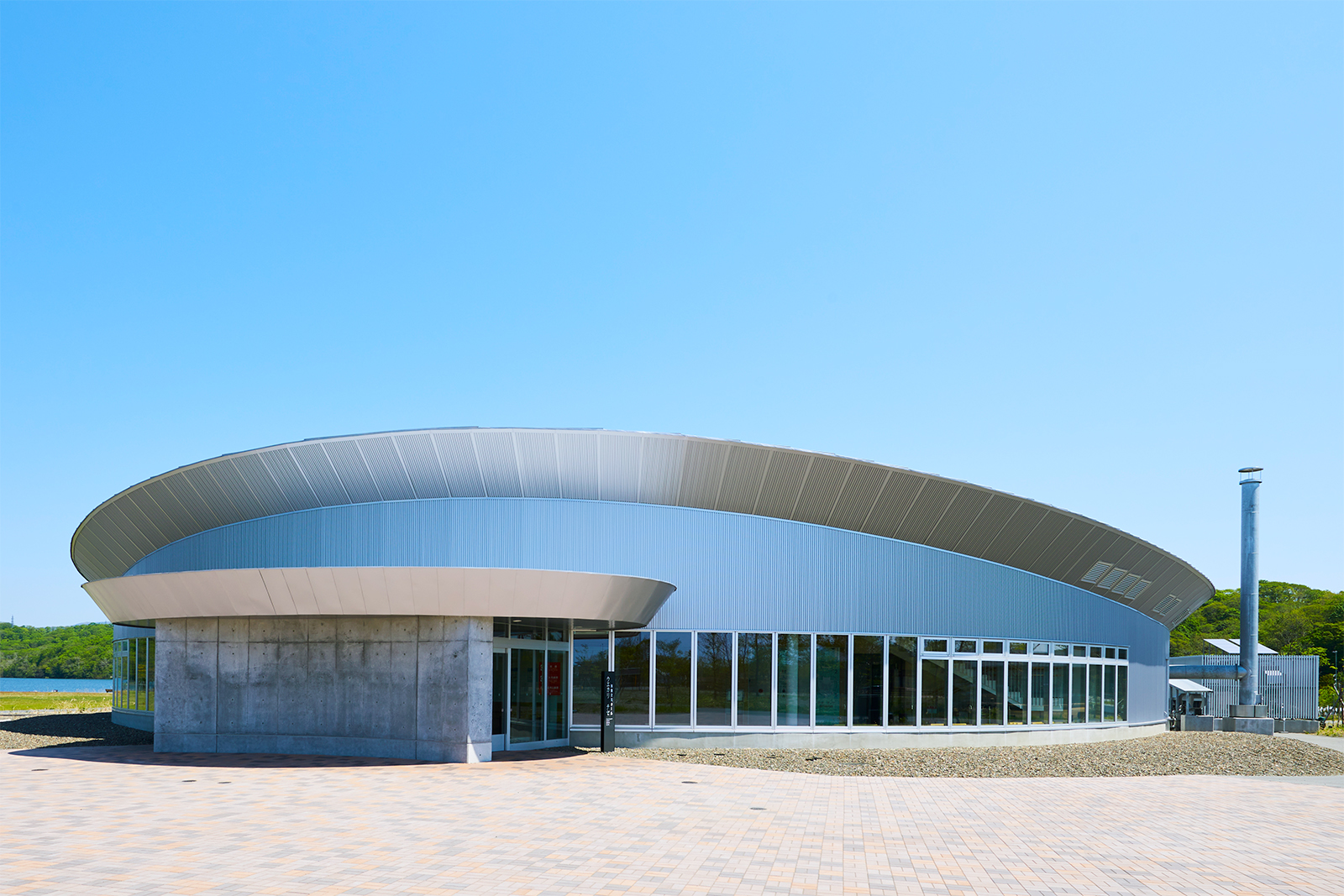
Cultural Exchange Hall, UPOPOY National Ainu Museum and Park (Capacity: 250)
Fee
Free of Charge
- Priority for reservations. Upopoy admission required.
- One-Year Pass recommended for two-day attendance.
Language
Japanese – English simultaneous interpretation (both days)
Organized by
National Ainu Museum
Supported by
The Finnish Institute in Japan
Nominally supported by
The Ainu Association of Hokkaido
Australian Embassy Japan
The U.S. Consulate General, Sapporo
Panelists
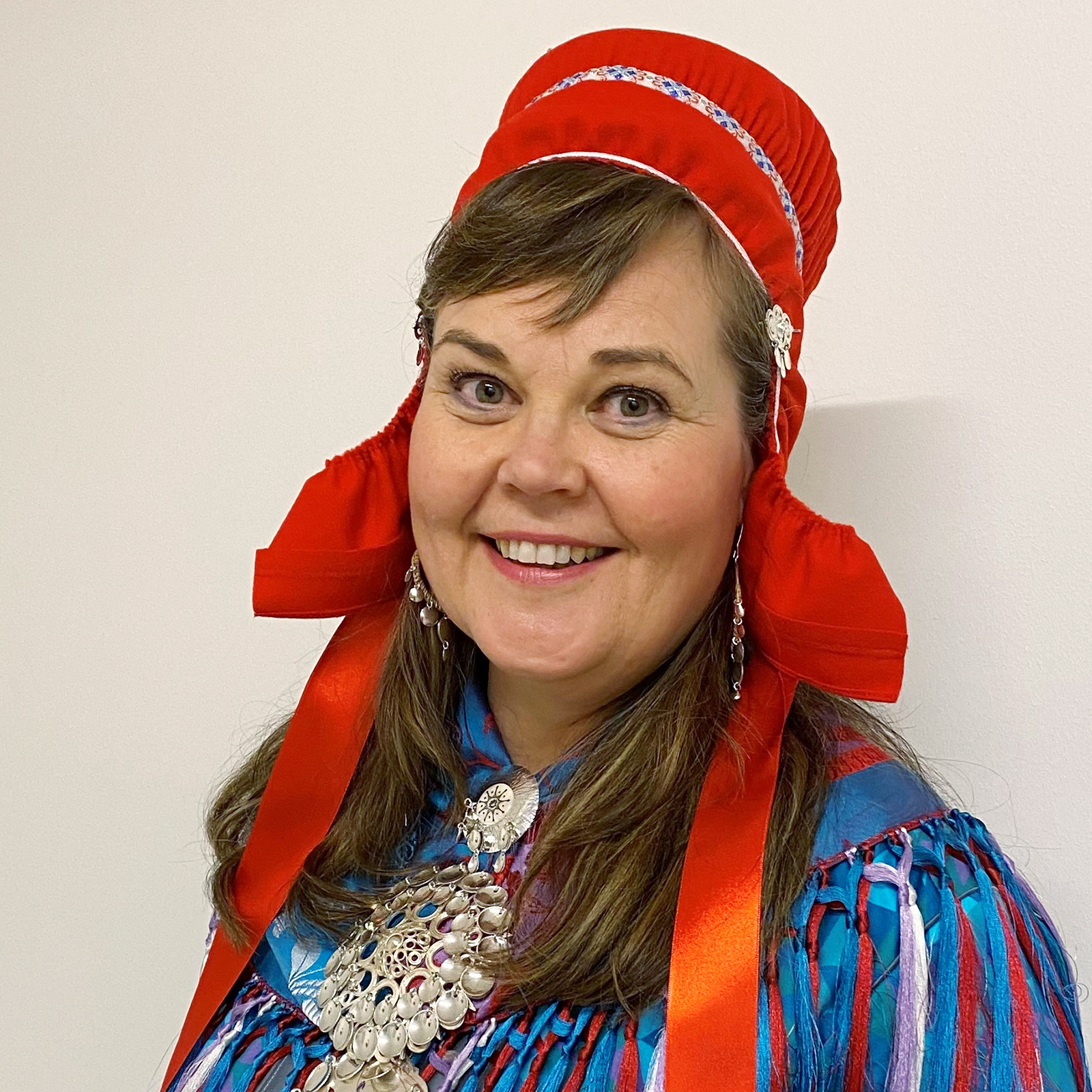
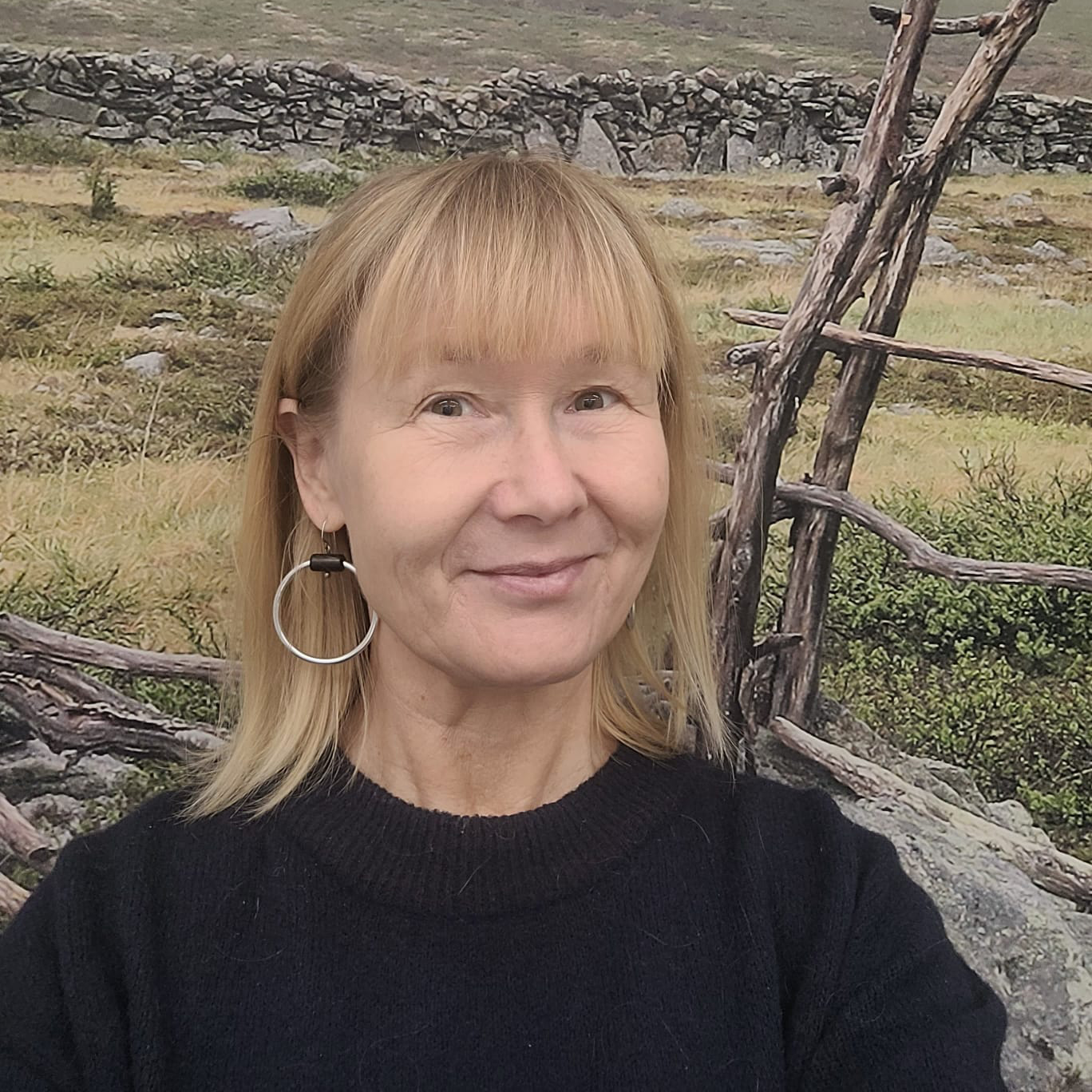
- Taina Máret Pieski (Director) and Eija Ojanlatva (Chief Curator) , The Sámi Museum Siida
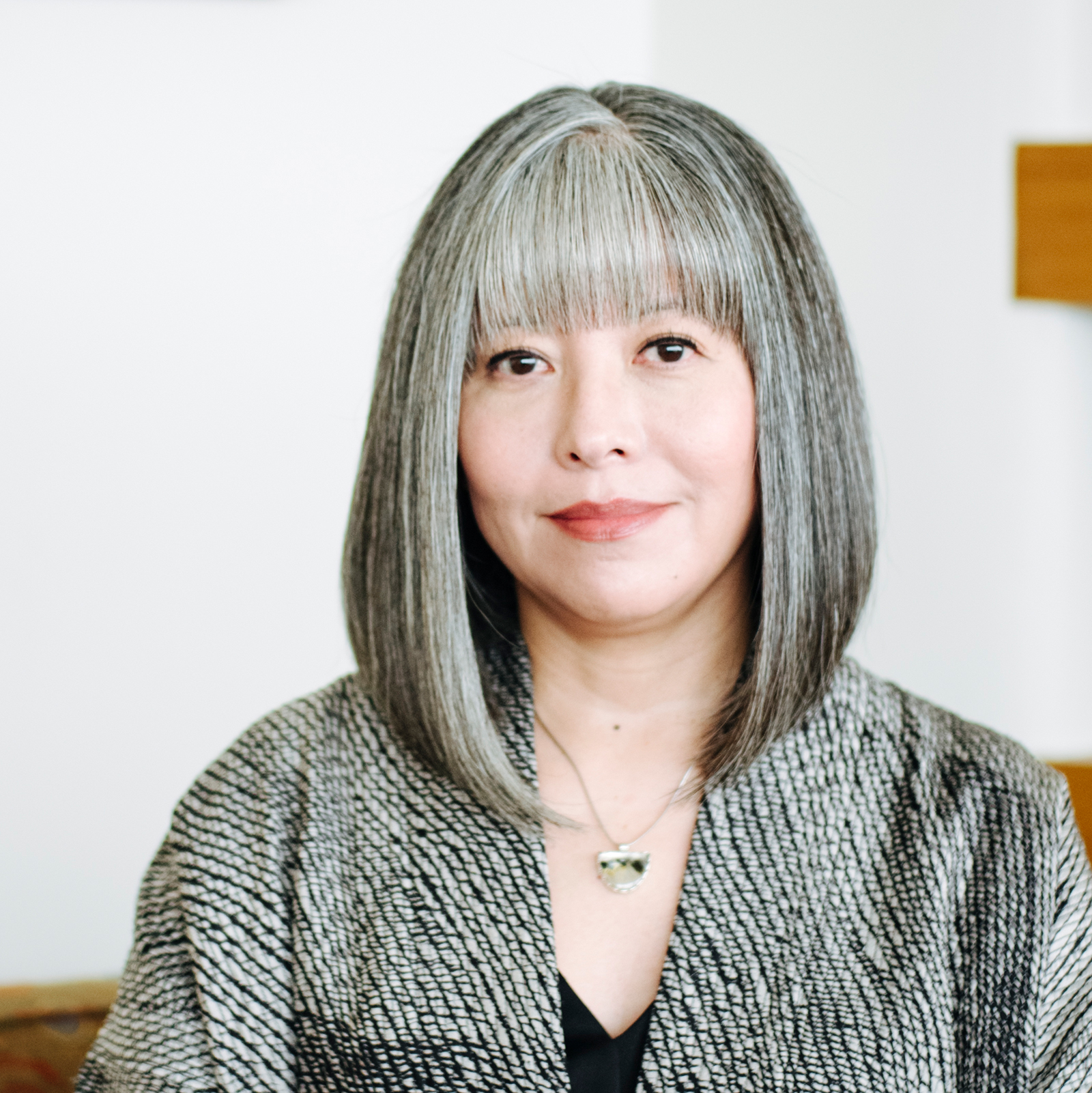
- Dr. Cynthia Chavez Lamar (Director), National Museum of the American Indian (NMAI)
- Leonard Hill (CEO), the Australian Institute of Aboriginal and Torres Strait Islander Studies (AIATSIS)
Special Guest-Panelists
- Haruto Kawamura (Director) and Hisae Kawamura (Deputy Director), Kawamura Kaneto Aynu Museum
- Shiro Kayano (Director), Kayano Shigeru Nibutani Ainu Museum
- Kimihiro Kayano (Owner and CEO), Guest House Nibutani Yanto / Nibutani Works Inc.
Host
- Masahiro Nomoto (Executive Director), National Ainu Museum
Registration
Please register using the form below.
- Walk-ins are accepted. Reservations will be prioritized once capacity is reached.
- This venue is nearly full. Participants arriving after the start time may be required to stand.
Programs
February 7 (Sat), 2026 10:00am – 4:30pm
10:00am – 11:30am Session 1: “Collaboration Between Museums and Communities”
- Presentation 1: Introduction of the National Museum of the American Indian (NMAI)
Dr. Cynthia Chavez Lamar (Director) - Presentation 2: Introduction of the Kawamura Kaneto Aynu Museum
Haruto Kawamura (Director), Hisae Kawamura (Deputy Director)
1:00pm – 2:30pm Session 2: “Dialogues between Collections and People”
- Presentation 1: Introduction of AIATSIS
Leonard Hill (CEO) - Presentation 2: Introduction of the Kayano Shigeru Nibutani Ainu Museum
Shiro Kayano (Director)
3:00pm – 4:30pm Session 3: “Reimagining a Regional Museum as a National Institution”
- Presentation 1: Introduction of the Sámi Museum Siida
Taina Máret Pieski (Director), Eija Ojanlatva (Chief Curator) - Presentation 2: From Porotokotan to UPOPOY National Ainu Museum
Masahiro Nomoto (Director)
February 8 (Sun), 2026 1:00pm – 4:30pm
11:00am – 11:30am / 12:00pm – 12:30pm Traditional Ainu Dance Performance: Shiranuka & Kushiro
1:00pm Opening Messages
1:30pm – 2:50pm Panel 1: Collaboration, Dialogue, Reimagination: Case Studies from National Indigenous Museums Around the World
Bringing together three national Indigenous museums, this panel discusses how the relationship between “Indigenous × Museums” can be understood today—its significance, its responsibilities, and its future. Through case studies centered on collaboration, dialogue, and reimagination, the international guests will share how their institutions are responding to these questions, opening a discussion with domestic guests on what it means to carry this work forward.
- Presentations: Dr. Cynthia Chavez Lamar (Director, National Museum of the American Indian (NMAI)), Leonard Hill (CEO, Australian Institute of Aboriginal and Torres Strait Islander Studies (AIATSIS)), Taina Máret Pieski (Director, the Sámi Museum Siida)
- Commentators: Haruto Kawamura, Hisae Kawamura (Director and Deputy Director, Kawamura Kaneto Aynu Museum), Kimihiro Kayano (Guest House Nibutani Yanto / Nibutani Works Co., Ltd.)
2:50pm – 3:00pm
Break (10 min)
3:00pm – 3:50pm Panel 2: What Matters to Us: Perspectives for Indigenous Museums
In the three days leading up to the symposium, each guest has spent time in conversation with Upopoy staff members—many of whom are cultural bearers themselves. Building on these exchanges, this panel will explore the issues that feel most urgent and meaningful for Indigenous museums today, opening a shared discussion on what truly matters in their ongoing work.
- Discussion Participants: Cynthia Chavez Lamar, Leonard Hill, Taina Máret Pieski, Eija Ojanlatva, Haruto Kawamura, Hisae Kawamura, Kimihiro Kayano
3:50 pm – 4:30pm Shared Reflections
On February 7 and 8, several events including special performances by the Ainu Cultural Preservation Society will take place alongside the symposium. For more information, please refer to the Upopoy website (information currently available in Japanese only).
Panelists
The Sámi Museum Siida
Director, the Sámi Museum Siida
Chief Curator, the Sámi Museum Siida.
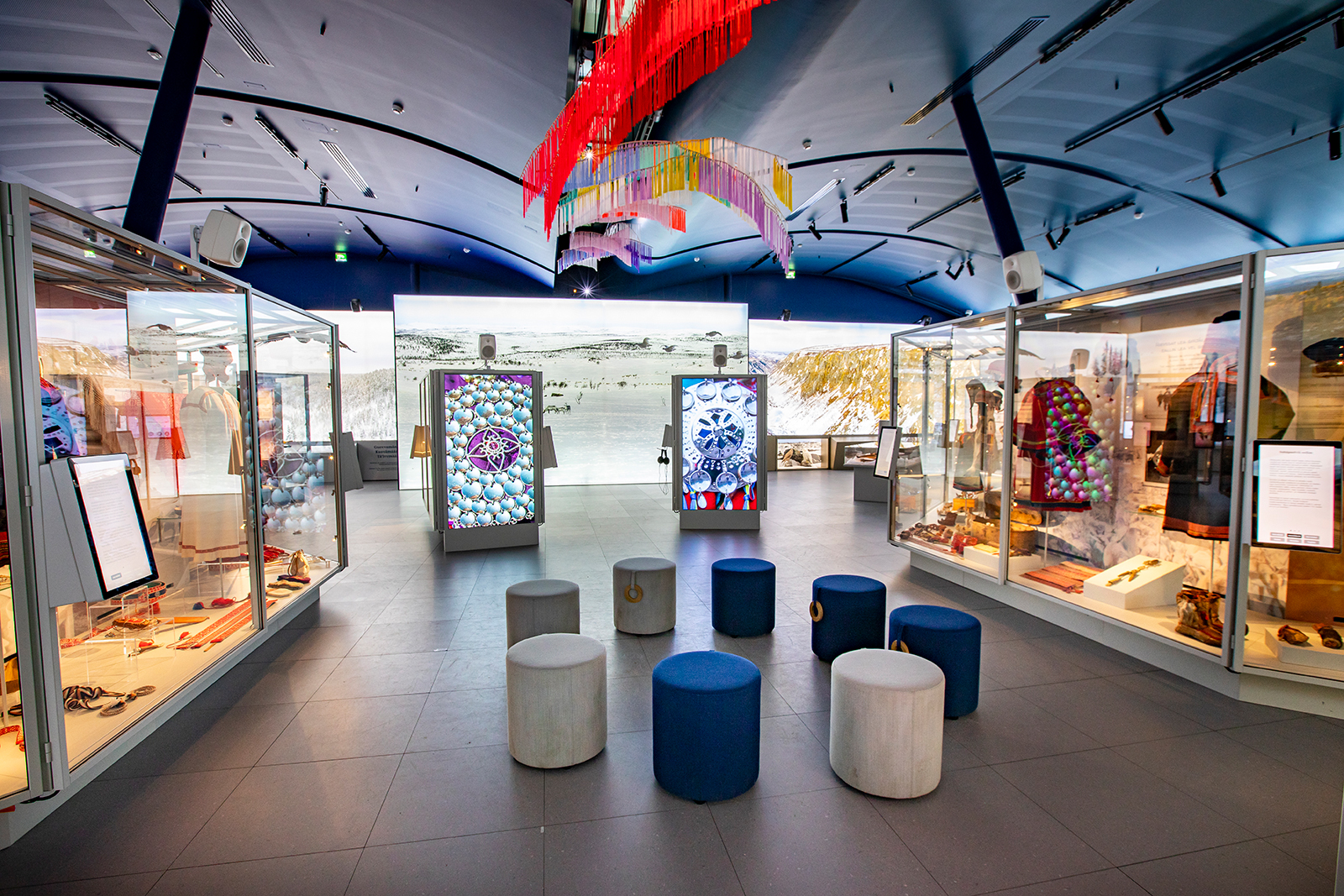
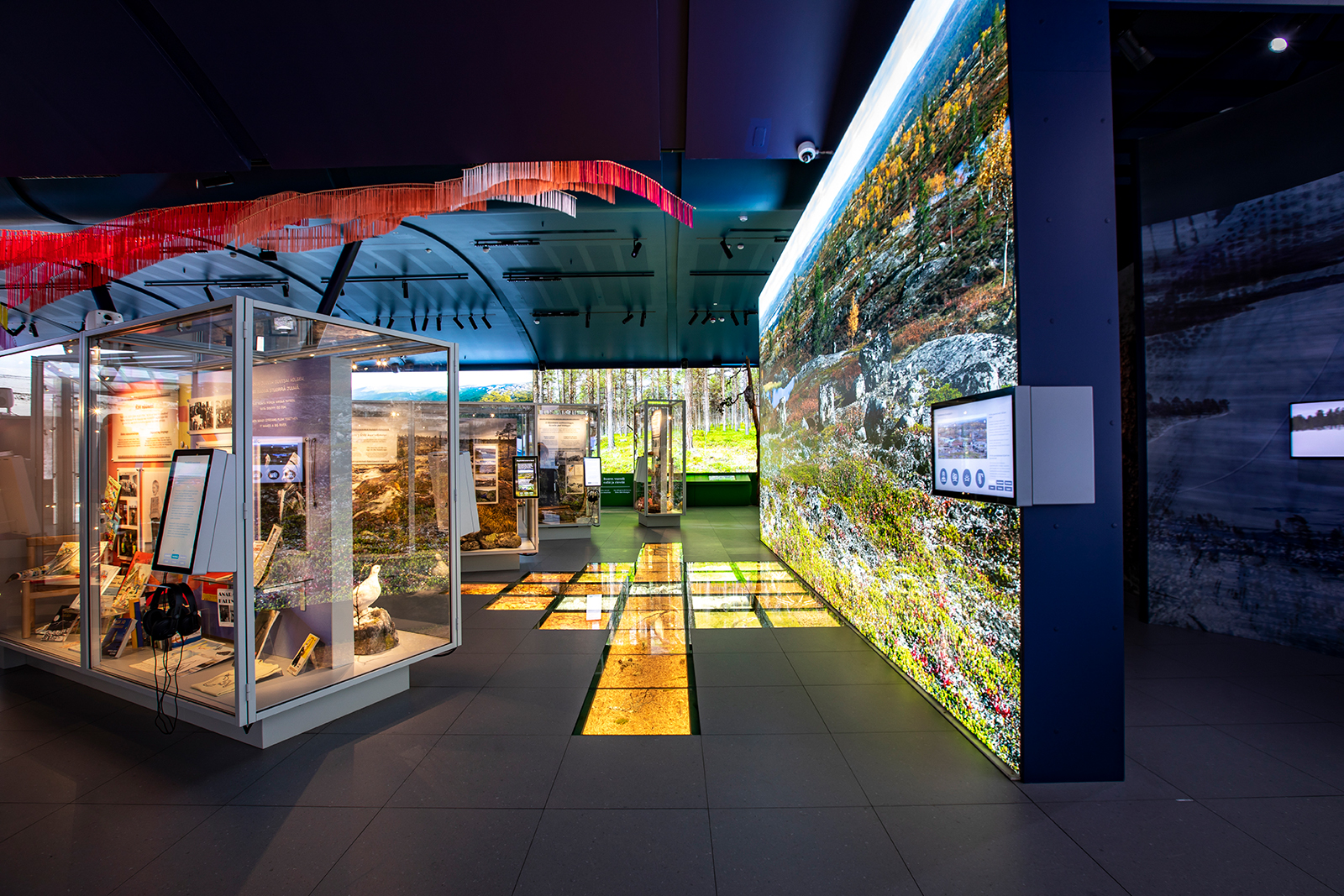
Taina Máret Pieski is the Director of the Sámi Museum Siida in Inari, Finland. Pieski has extensive experience in different leadership positions, including roles in various ministries of the Finnish Government and as the Mayor of Utsjoki, the northernmost municipality in the European Union. Siida has undergone significant renovations and expansions, enhancing its exhibitions and facilities to better serve Sámi people, the wider public, and to preserve Sámi heritage. The work of Siida has attracted broad international interest.
Eija Ojanlatva is the Chief Curator at the Sámi Museum Siida. She specializes in Sámi cultural heritage, focusing on Sámi cultural environments, land use issues within the Sámi Homeland, and the repatriation and reburial of Sámi ancestors.
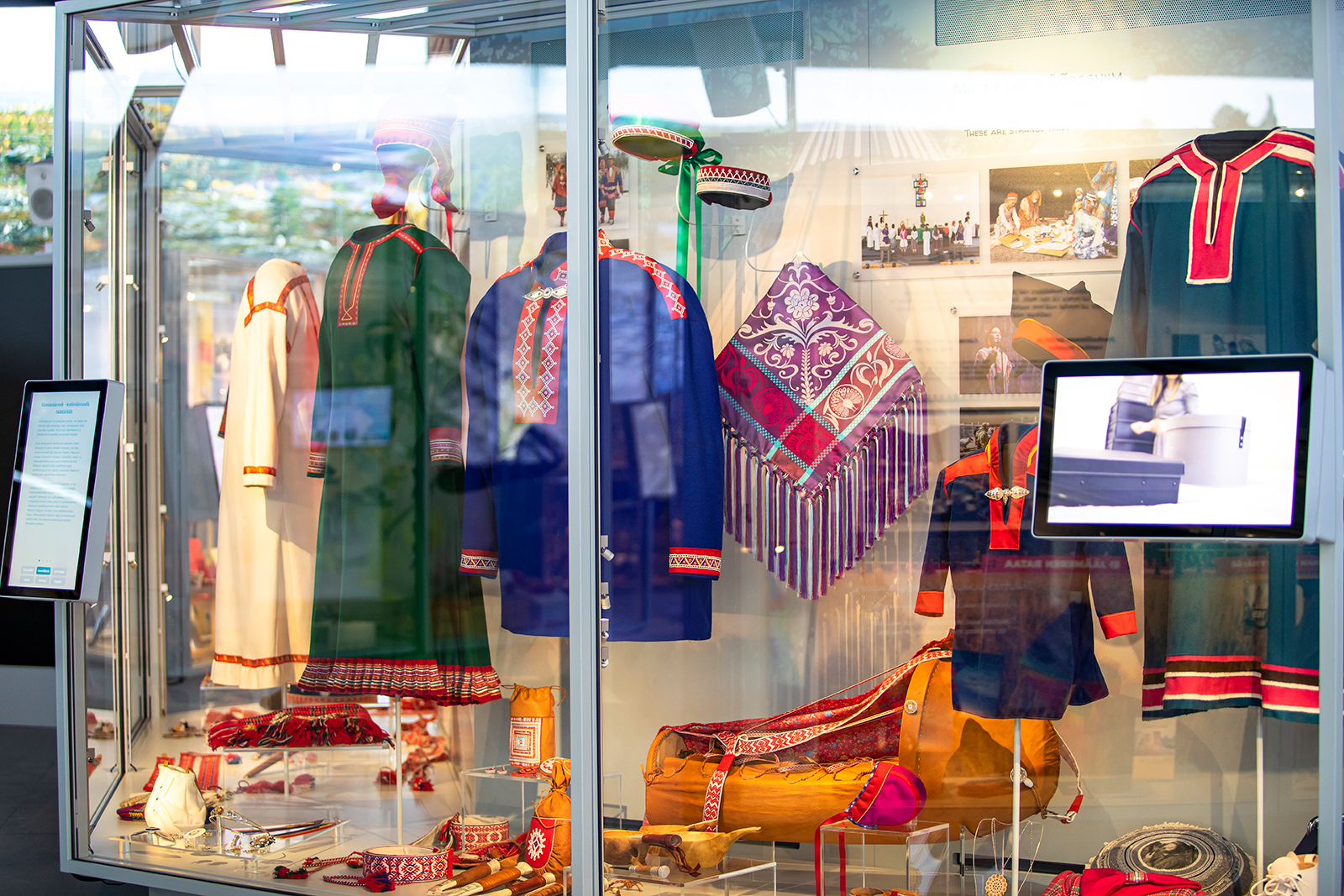
Sámi people are the only recognized Indigenous people in the EU. The Sámi Museum Siida is a national museum responsible for Sámi culture, and a regional museum responsible for tasks concerning cultural environments in the Sámi Area in Finland. Siida store the spiritual and material culture of the Finnish Sámi in the collections and display it in exhibitions and publications. The main purpose of Siida is to support the identity and the cultural self-esteem of the Sámi.
The Sámi Museum Siida is the winner of the European Museum of the Year Award (EMYA) 2024, the Finnish Museum of the Year 2024 and the Europa Nostra award winner 2022. Named as European Museum of the Year, Siida marks a historic moment as the first museum in Finland to receive this recognition.
The Sámi Siida and the National Ainu Museum renewed their Memorandum of Understanding (MOU) in 2024, originally signed in 1984.
National Museum of the American Indian (NMAI)
Director, National Museum of the American Indian (NMAI)
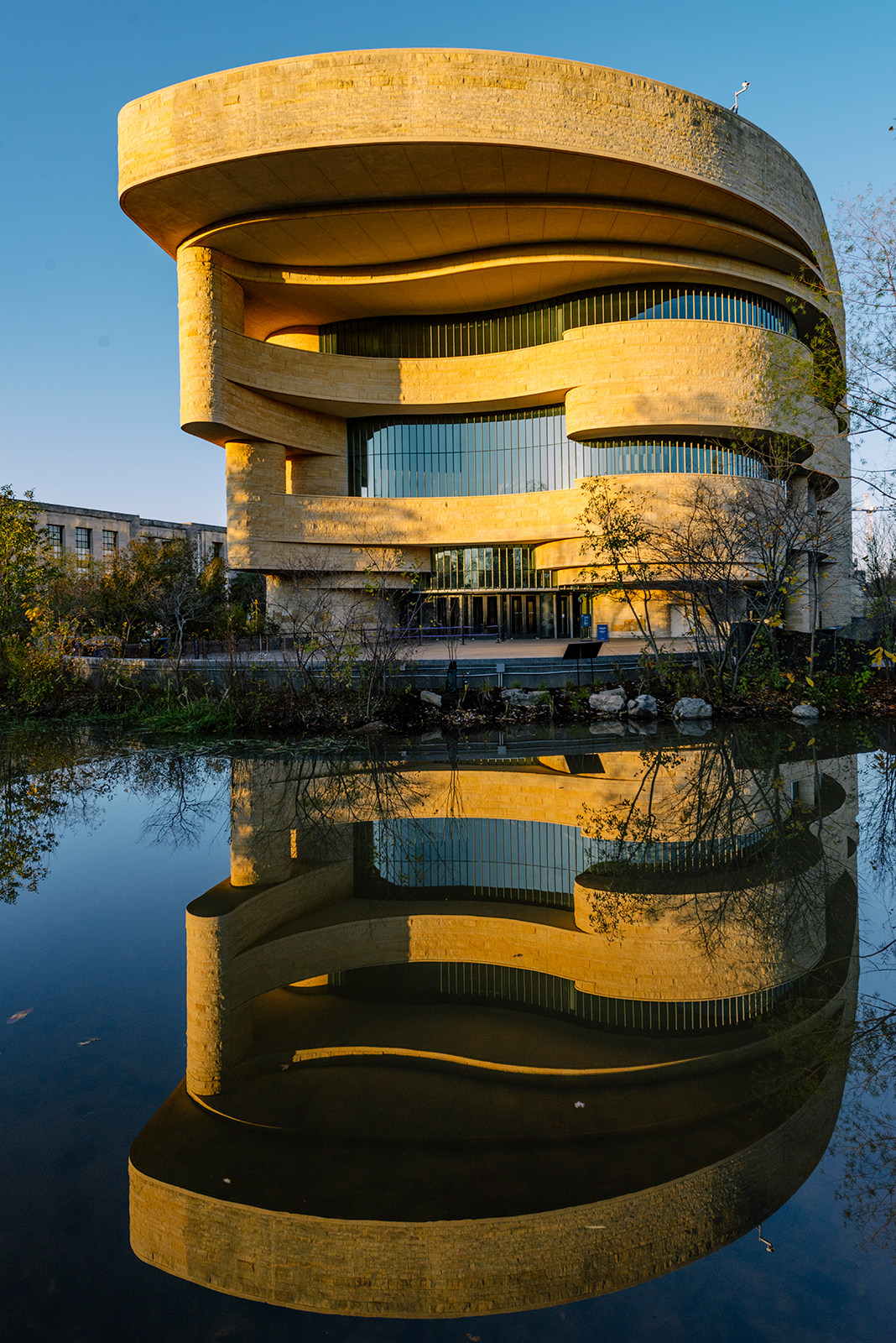
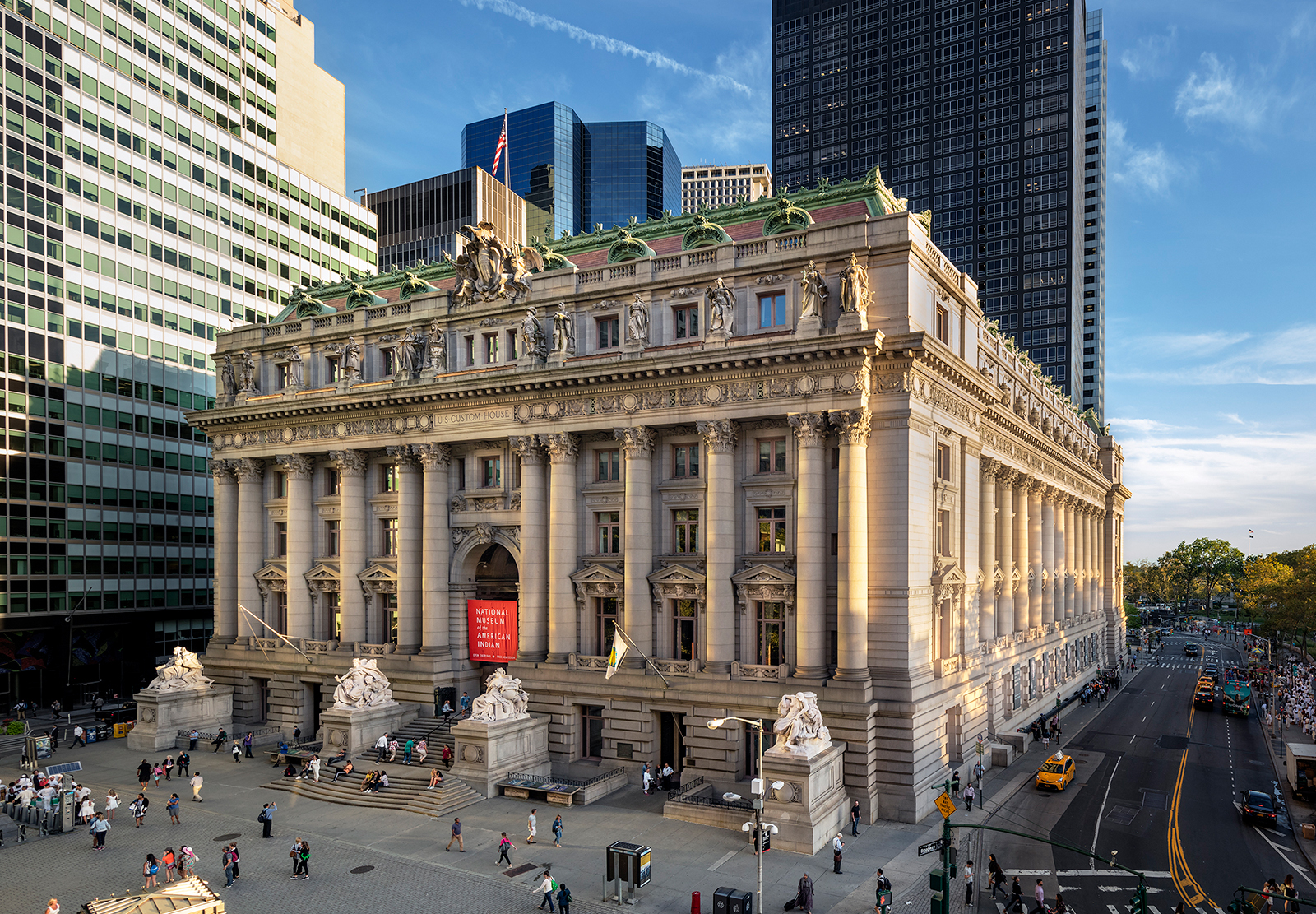
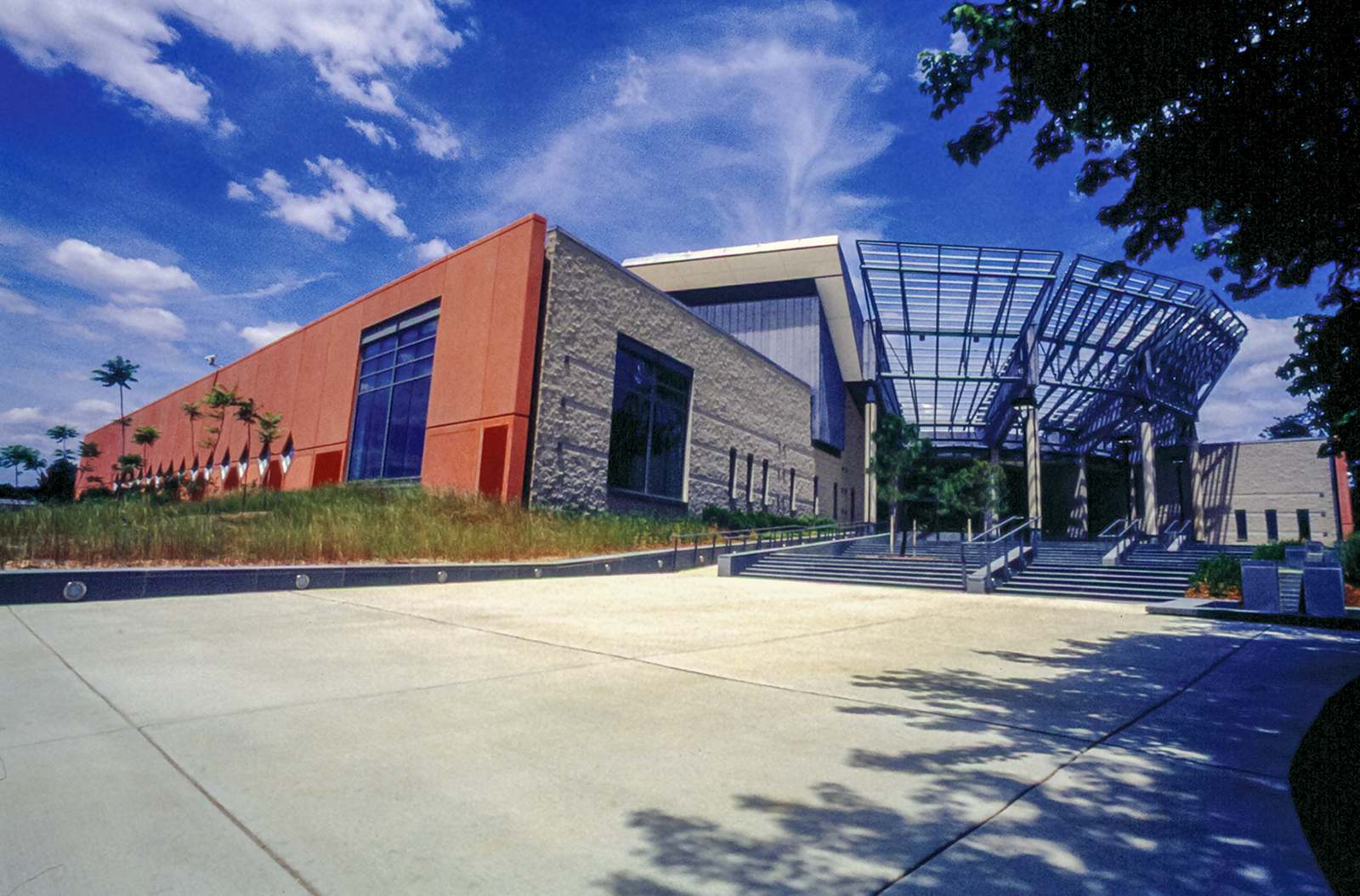
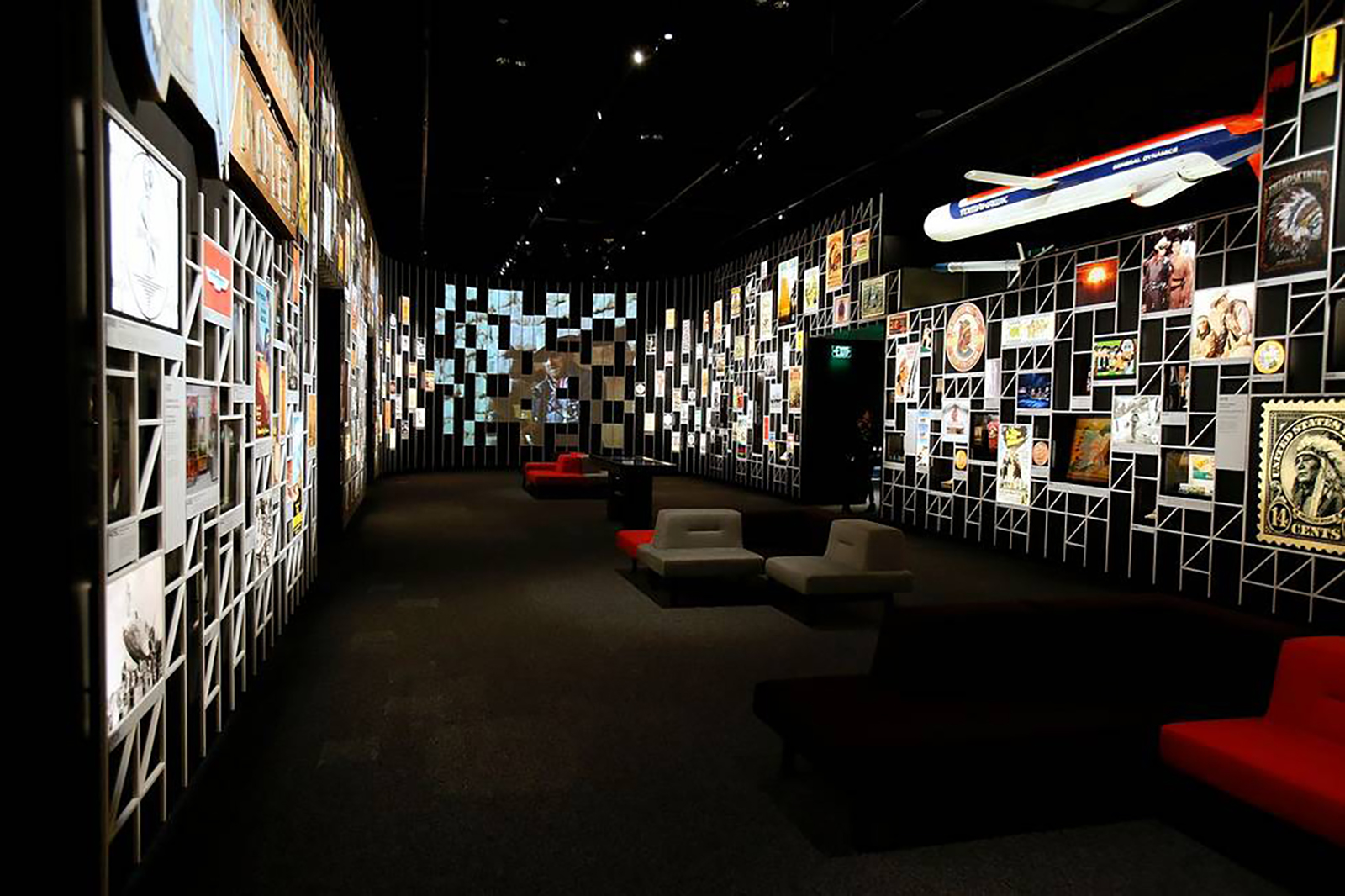
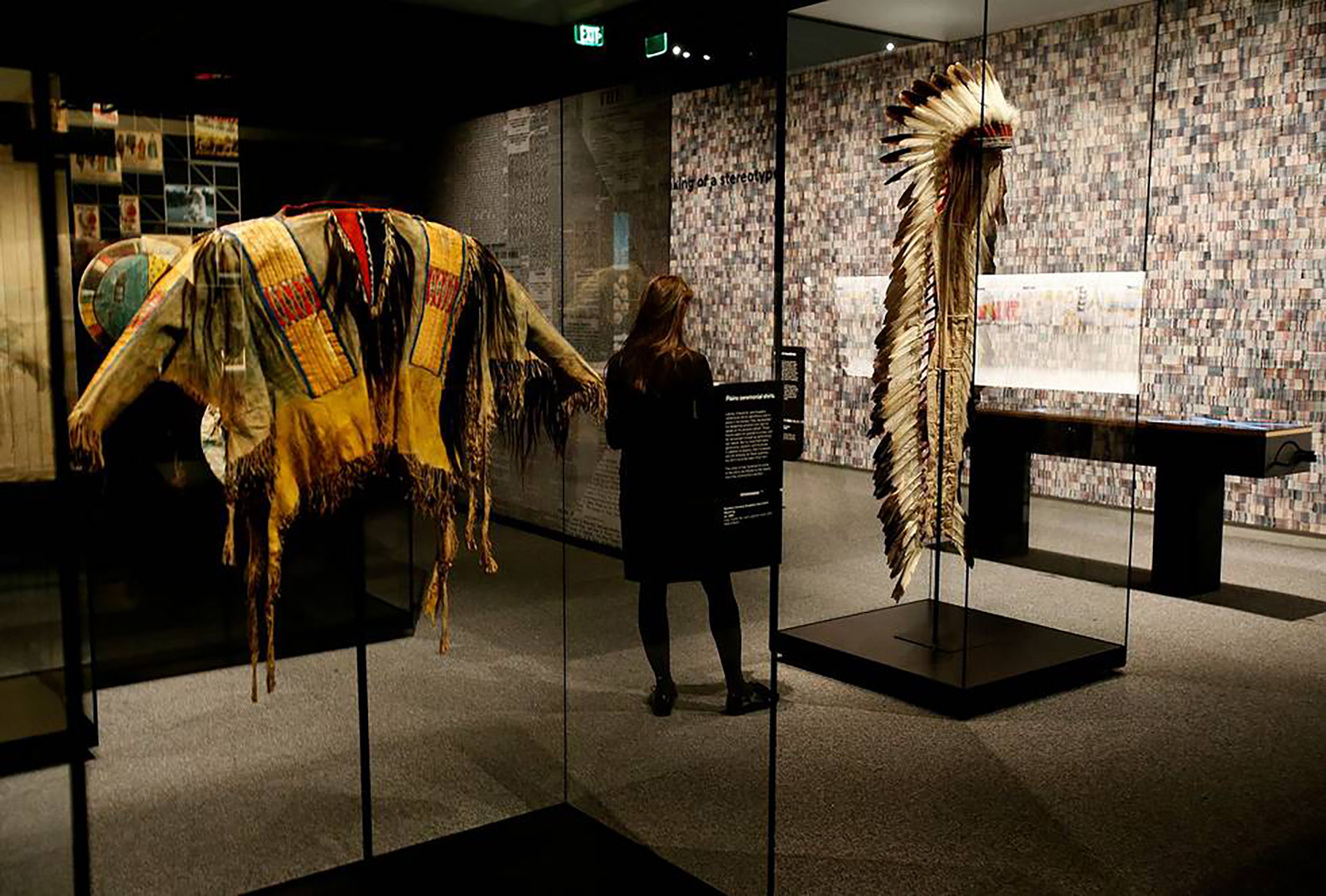
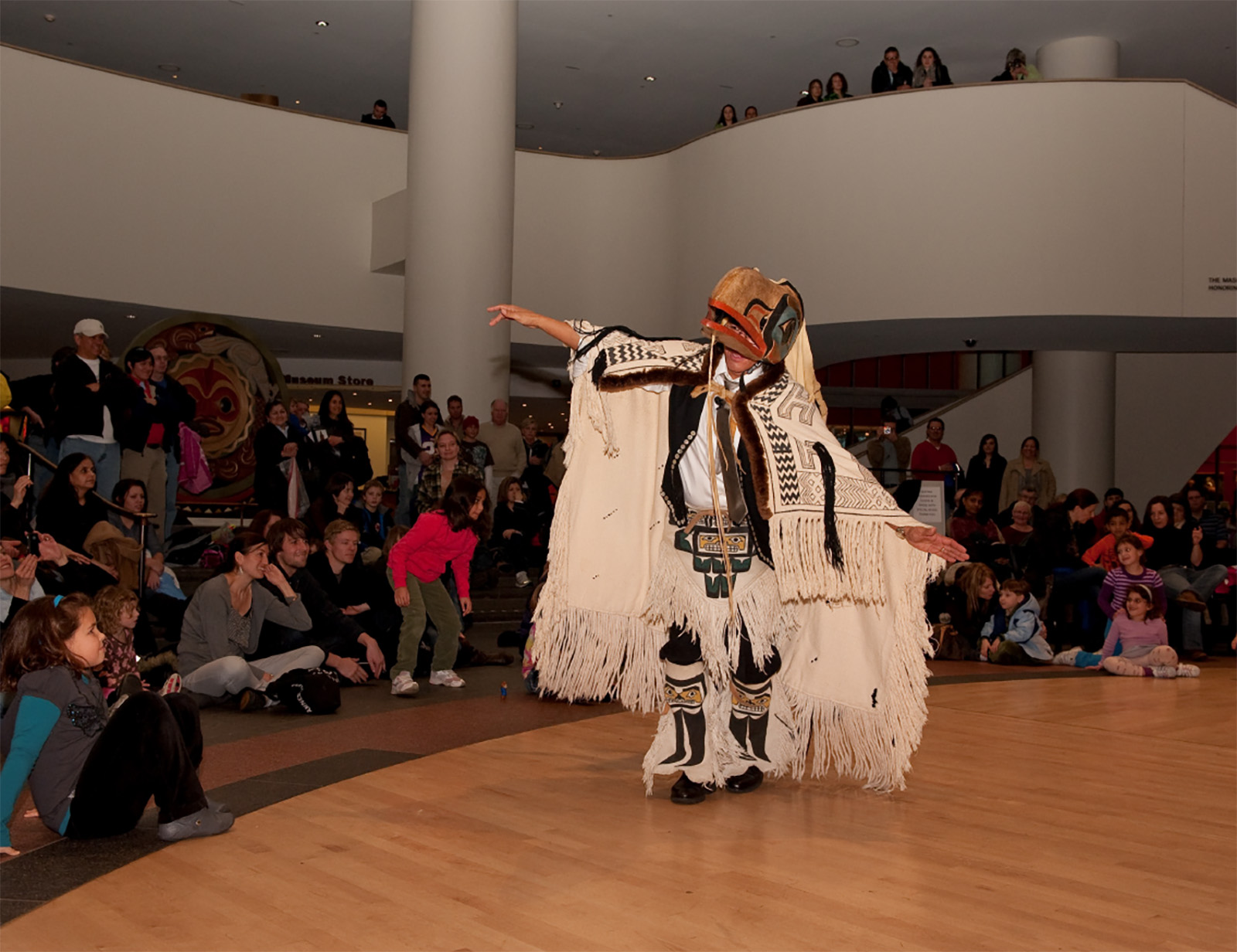
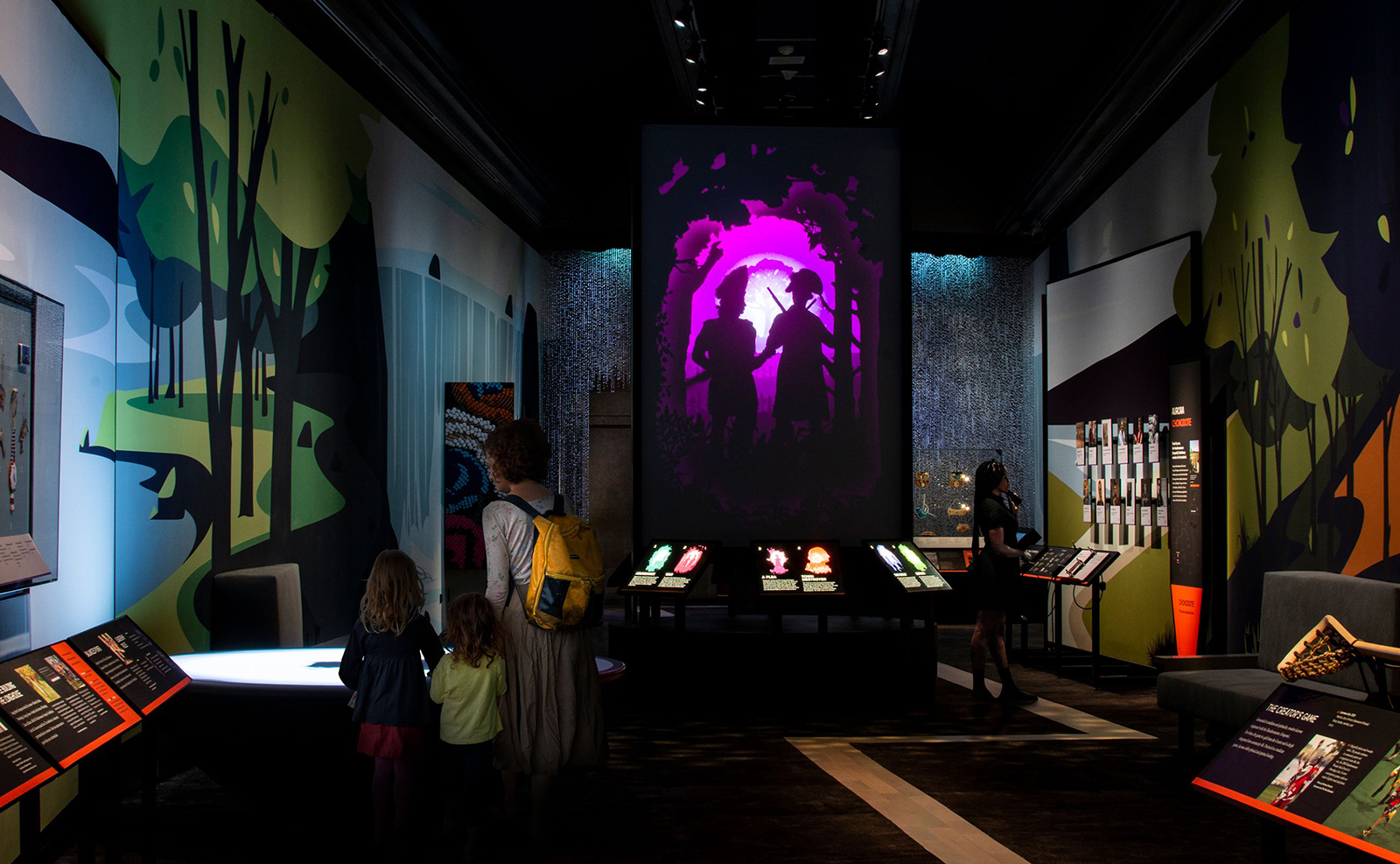
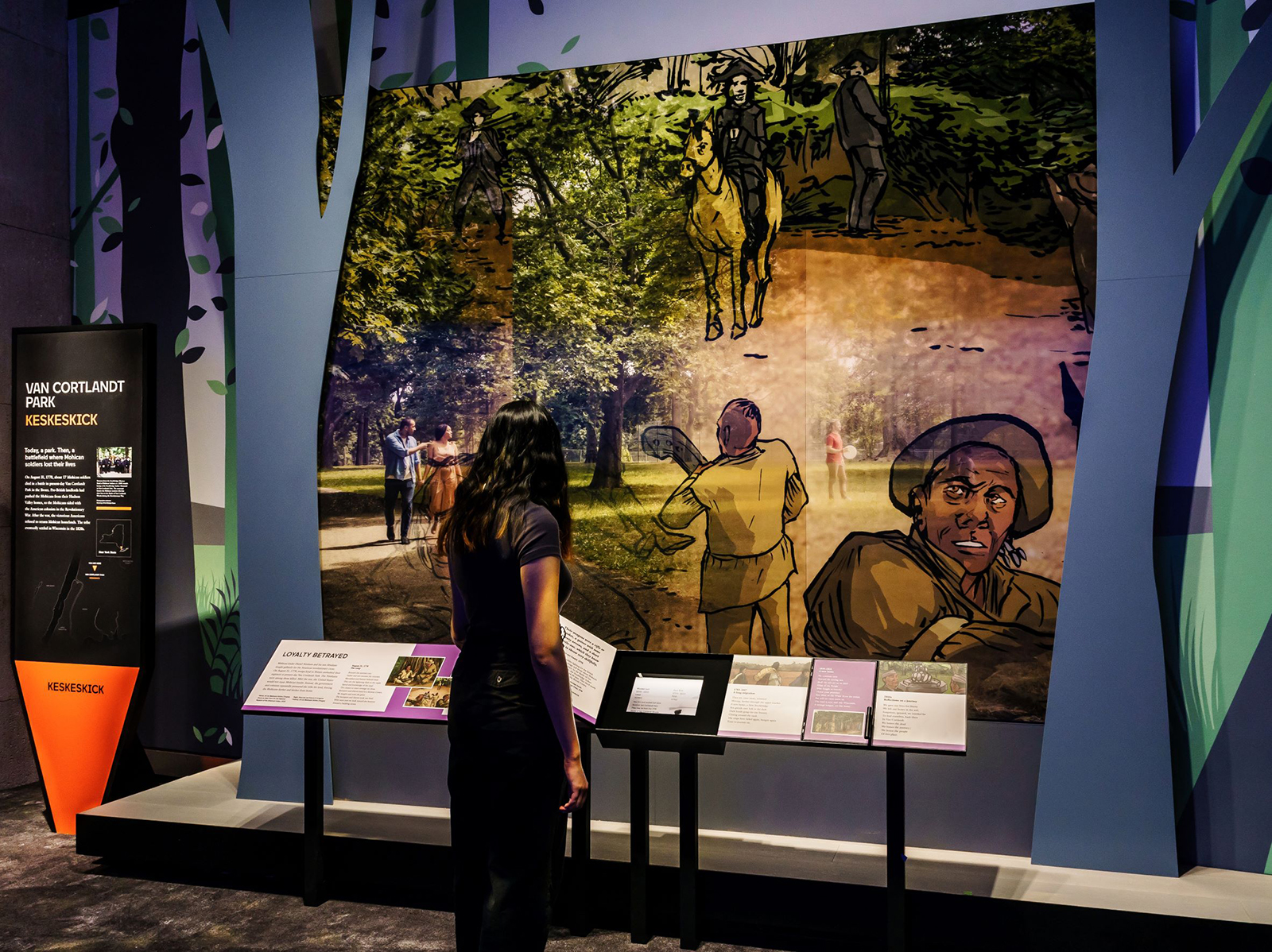
Dr. Cynthia Chavez Lamar is the director of the Smithsonian’s National Museum of the American Indian (NMAI). She is the first Native woman to lead a Smithsonian museum, overseeing the NMAI on the National Mall in Washington, D.C., NMAI in New York City, and the Cultural Resources Center in Suitland, Maryland.
She is an accomplished curator, author, and scholar whose research interests are focused on Southwest Native American art and collaborative methodologies in museum practice. Dr. Chavez Lamar started her career at NMAI as an intern and later as an associate curator. She has also served as NMAI’s assistant director for collections where she guided the overall stewardship of the museum’s collection, which is one of the largest and most extensive collections of Native and Indigenous items in the world.
Dr. Chavez Lamar’s indigenous heritage includes San Felipe Pueblo (New Mexico, USA), Hopi, Tewa, and Navajo. She has a bachelor’s degree in studio art, a master’s degree in American Indian studies, and a PhD in American studies from the University of New Mexico. In 2008, she received an honorary doctorate from Colorado College for her museum field contributions. In 2023, she was inducted into the American Academy of Arts and Sciences.
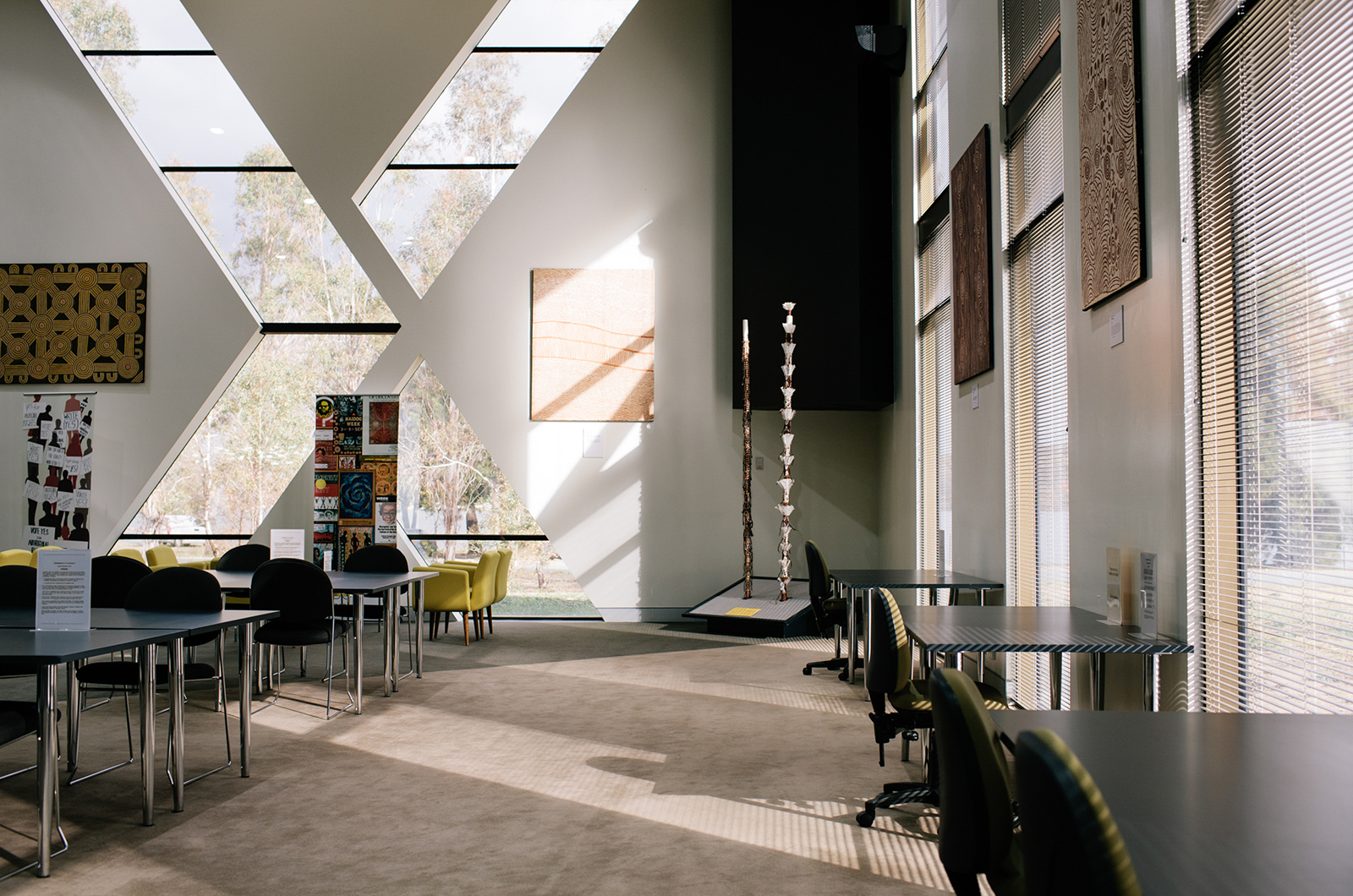
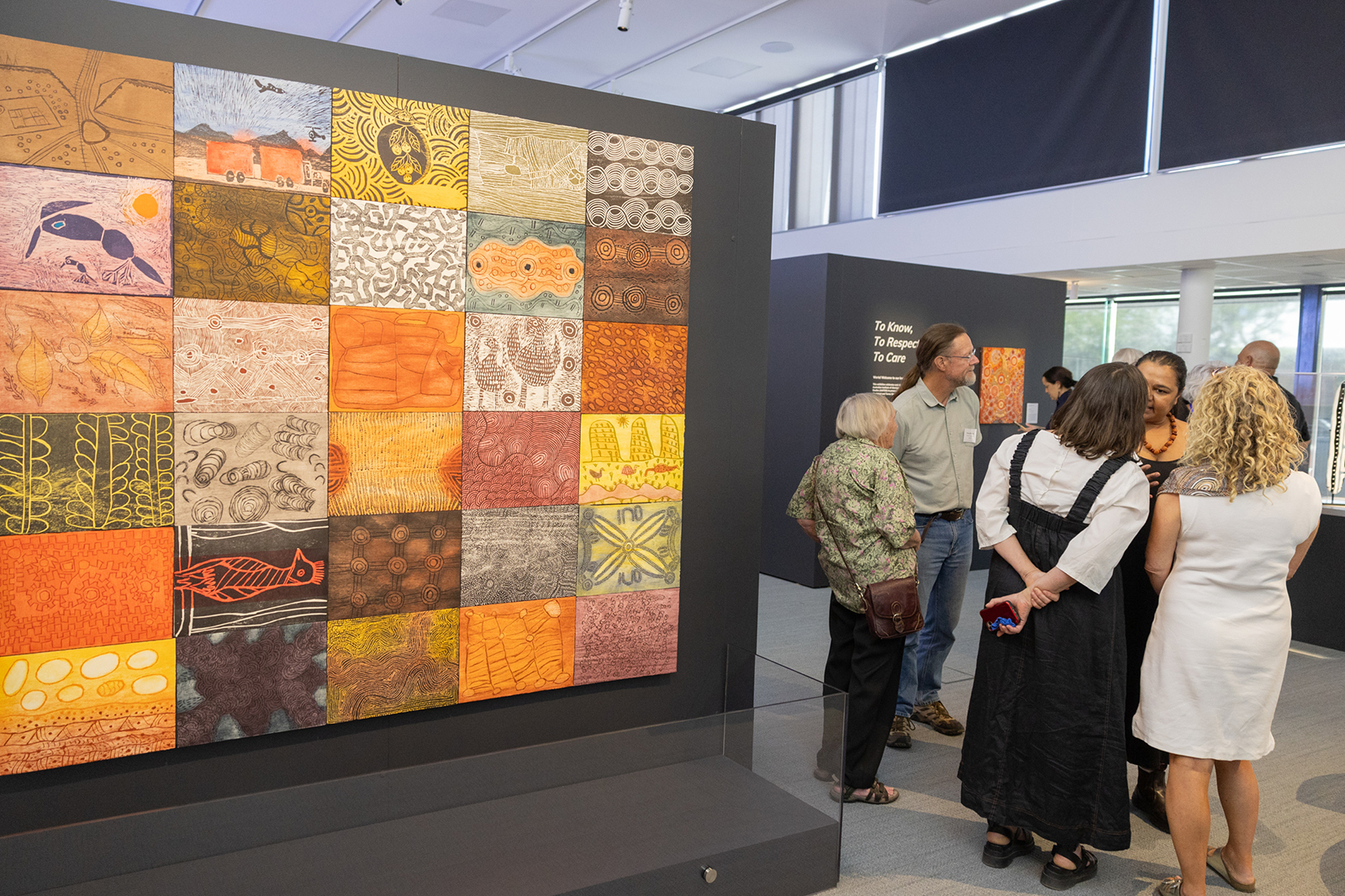
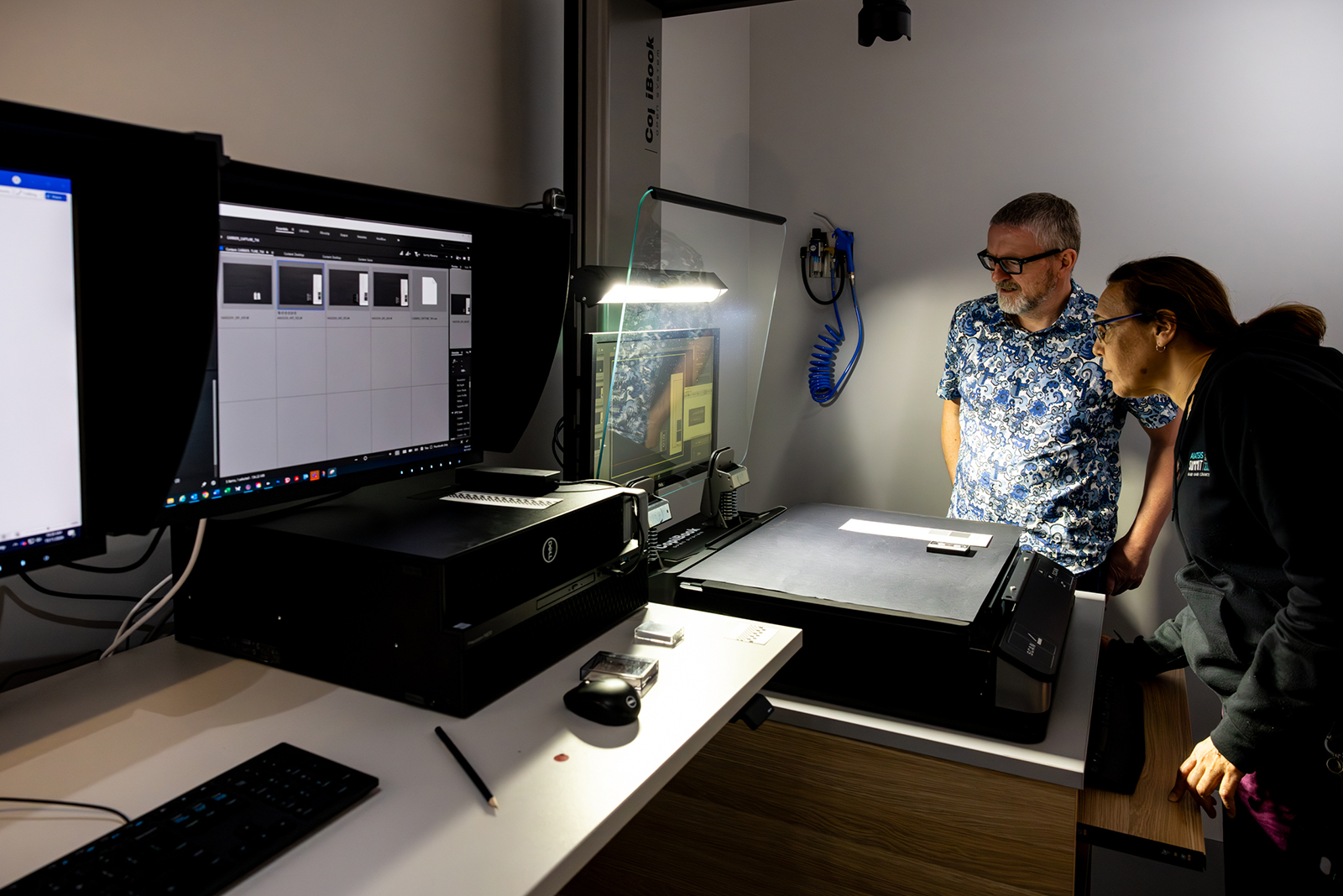
The Australian Institute of Aboriginal and Torres Strait Islander Studies (AIATSIS)
Chief Executive Officer, the Australian Institute of Aboriginal and Torres Strait Islander Studies (AIATSIS)
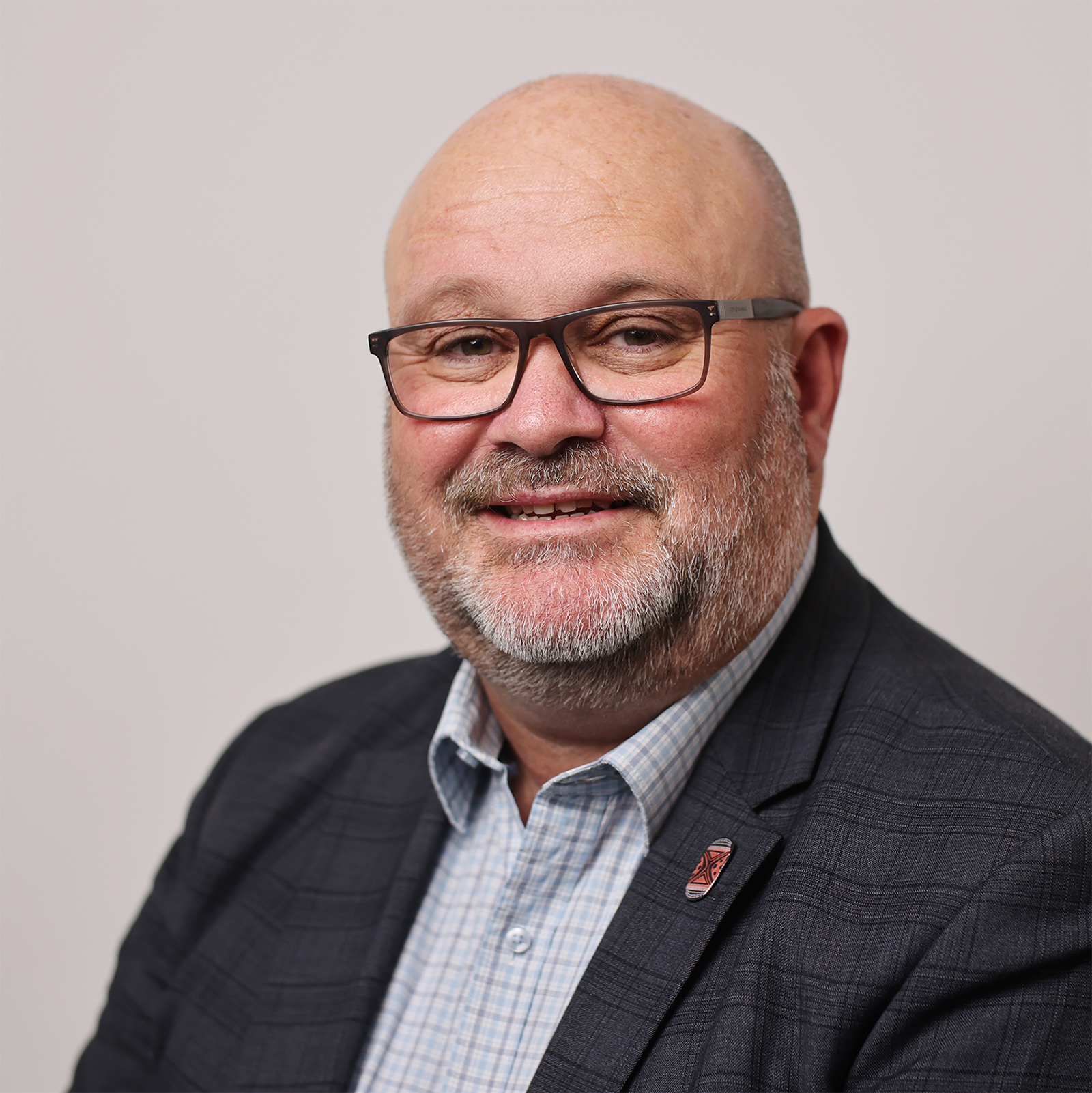
Leonard is the Chief Executive Officer of the Australian Institute of Aboriginal and Torres Strait Islander Studies (AIATSIS) and an Indigenous man from the Ngemba nation from North-west New South Wales.
Leonard has held a number of Senior Executive Service (SES) Officer roles in a long public service (civil service) career including Deputy CEO and Chief Operating Officer at AIATSIS; Executive Director, Collections Services Group at AIATSIS, and Assistant Secretary Culture Branch, The Department of the Prime Minister and Cabinet.
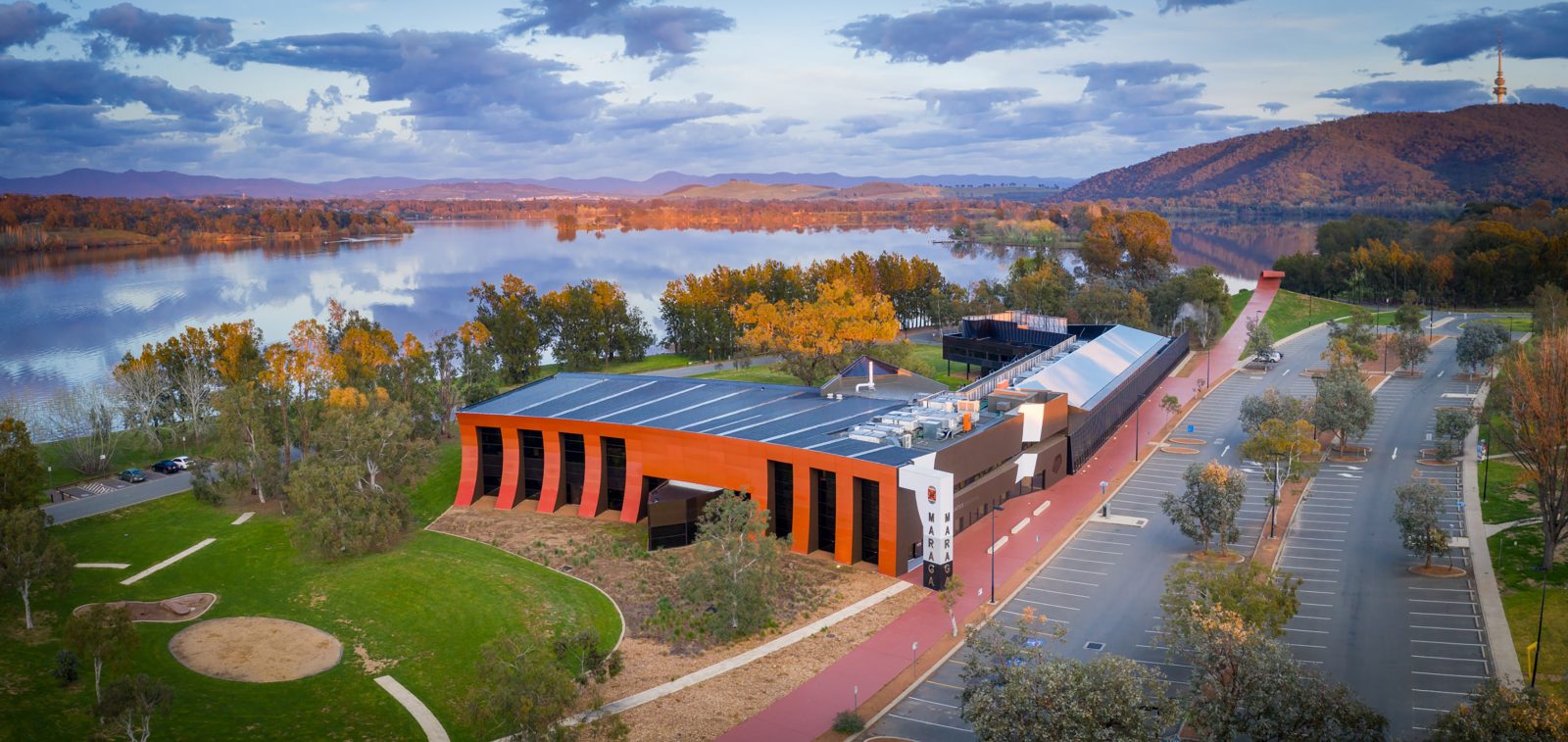
Leonard has been involved in and led a number of Australian Government Delegations on International engagements, most recently in relation to repatriation and participation in cultural, diplomatic, and bilateral activities, including to Japan, the USA, Mexico, Guatemala and the UK.
Other international delegations include to France, Germany, New Zealand, Switzerland, Vietnam and the United Nations including leading the Australian delegation to the United Nations Expert Mechanism on the Rights of Indigenous peoples (UN EMRIP) in Geneva in 2018. Leonard also led an AIATSIS delegation to Mexico in September 2019 to discuss Indigenous Policy and culture as it relates to National cultural and collecting Institutions.
Leonard holds vocational qualifications in Small Business Management, Indigenous Land Management and Training and Assessment, as well as Post Graduate qualifications in Business Administration.


Kawamura Kaneto Aynu Museum
Director, Kawamura Kaneto Aynu Museum
Deputy Director, Kawamura Kaneto Aynu Museum
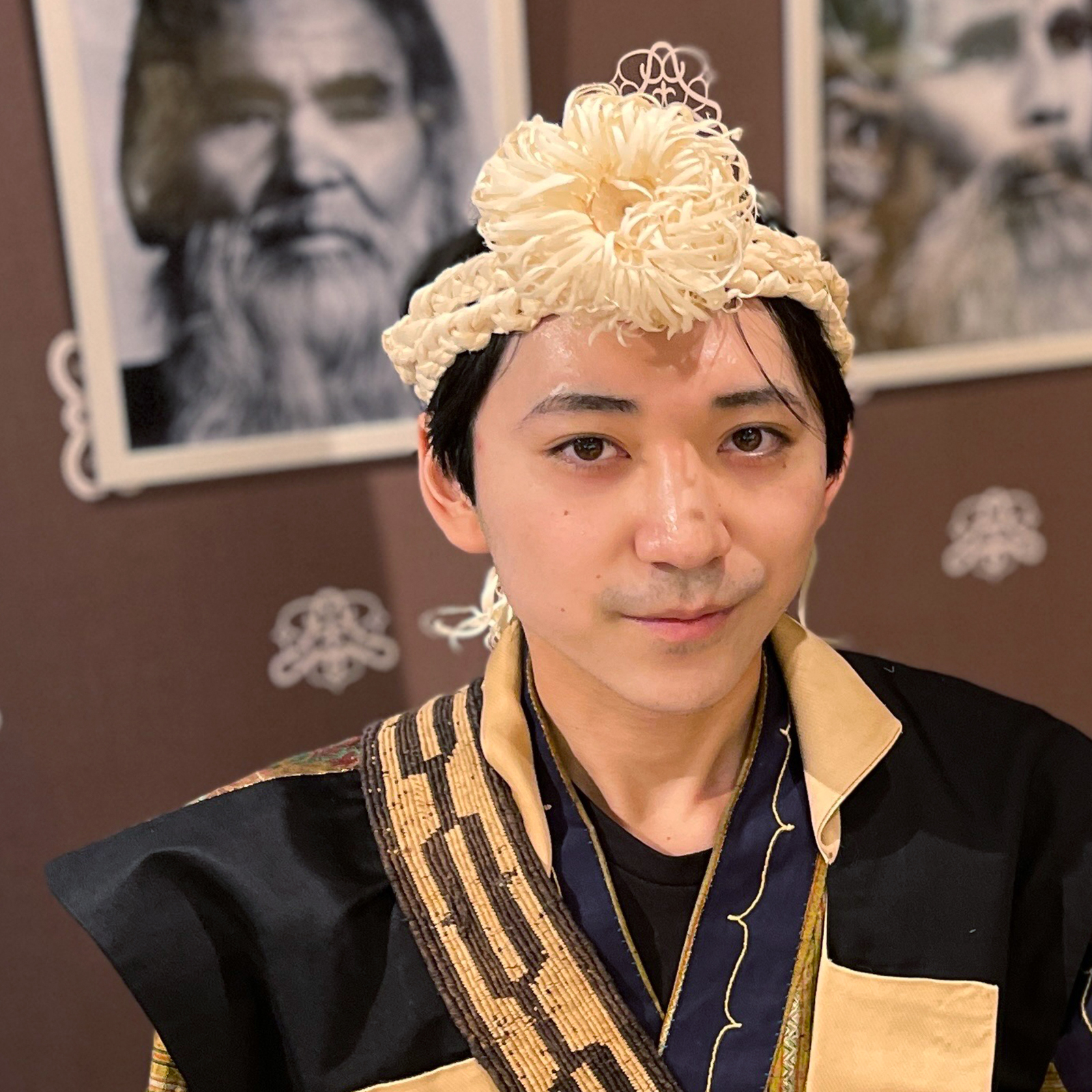
Haruto Kawamura Director, Kawamura Kaneto Aynu Museum
Haruto became the fourth director of the museum in 2023, coinciding with the completion of the new museum building. Since 2021, he has studied traditional woodcarving techniques and ceremonial practices, and in 2022 participated in the construction of a traditional cise (house) in Asahikawa Arashiyama. In preparation for the 2023 opening, he created the museum’s totem pole and supporting pillars with other community members. He is currently engaged in a wide range of cultural transmission activities, including demonstrations of traditional Ainu dance, school visits, and the study of Ainu plant knowledge. In 2025, he performed Traditional Ainu Dance as part of a stage at the Osaka–Kansai Expo 2025.
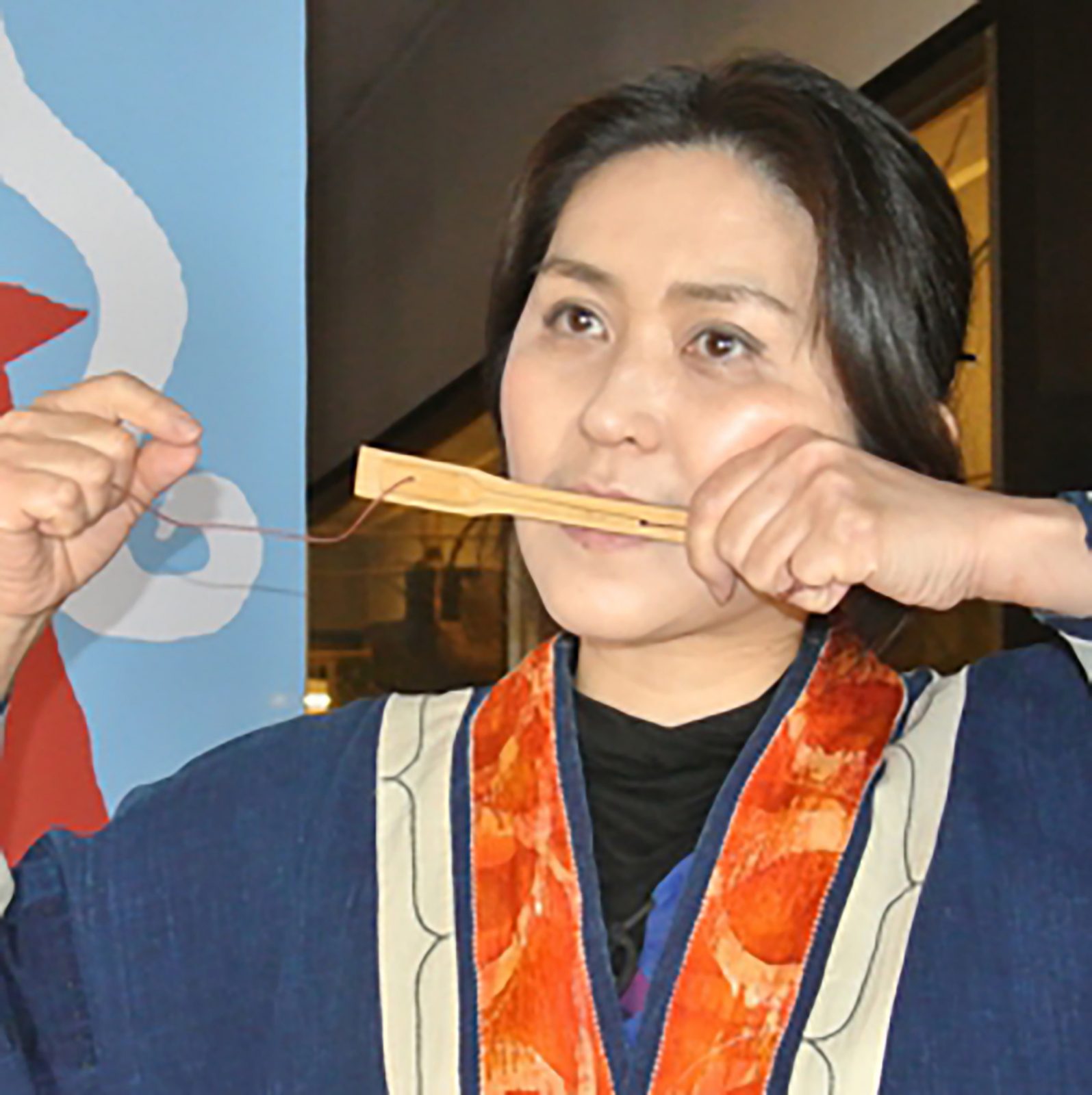
Hisae Kawamura Deputy Director, Kawamura Kaneto Aynu Museum
Born in Tokyo, Hisae moved to Asahikawa in 1994 and started working at the museum. She took part in the 2000 iomante (bear spirit-sending ceremony) held at the museum and became deputy director in 2005. Since then, she has worked across many areas, including the construction of traditional cise, organizing ecotours in Kamui Kotan, founding the Pirka Ureska cultural group, hosting parent–child Ainu language classes, and performing as a member of the Ainu vocal group Marewrew, with which she continues to be active. In 2008, she brought the choral drama Kaneto that traces the life of Kaneto Kawamura, at the Asahikawa Civic Culture Hall. She led the museum’s 100th-anniversary projects in 2016 and received the Asahikawa Tourism Encouragement Award in 2018.
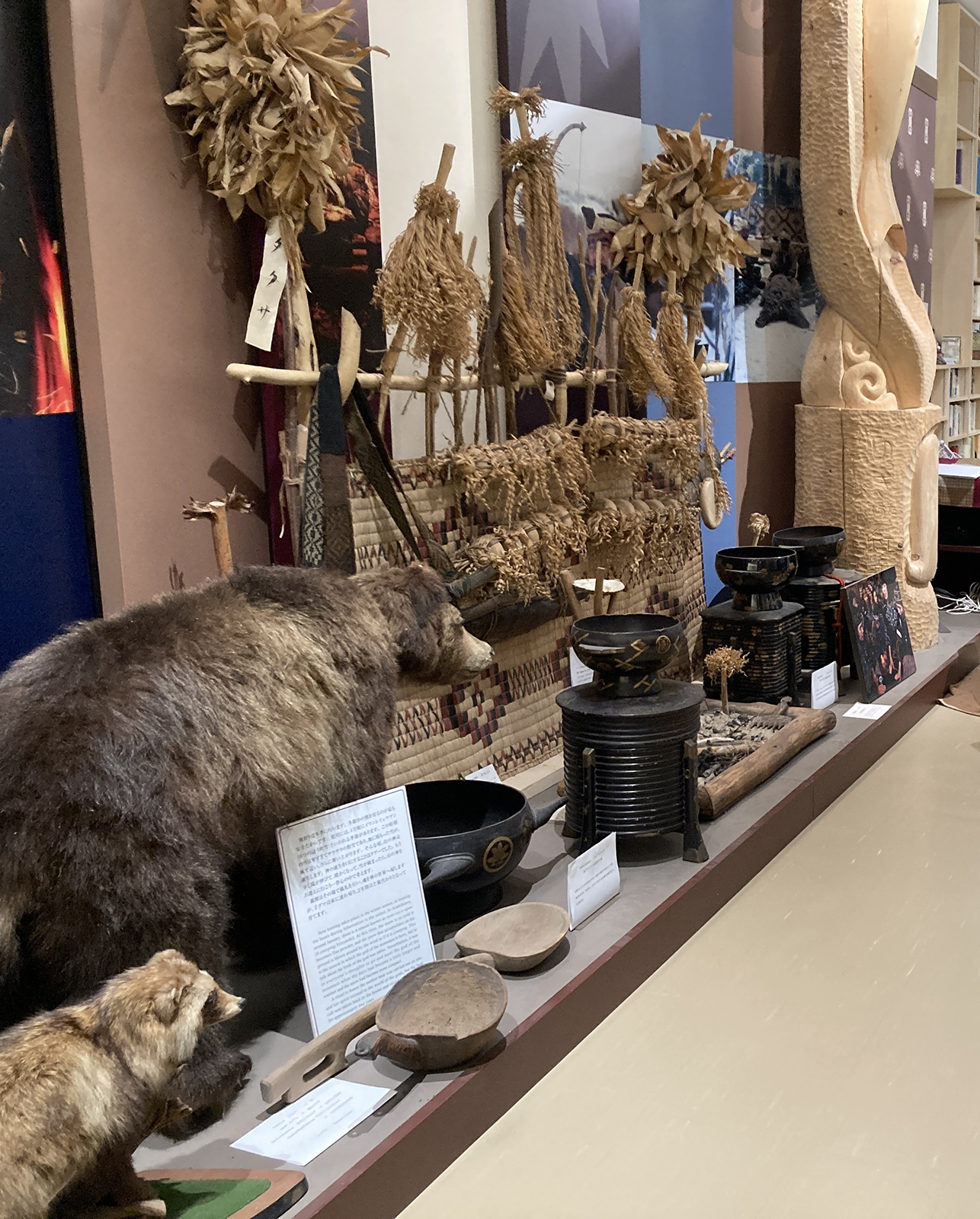
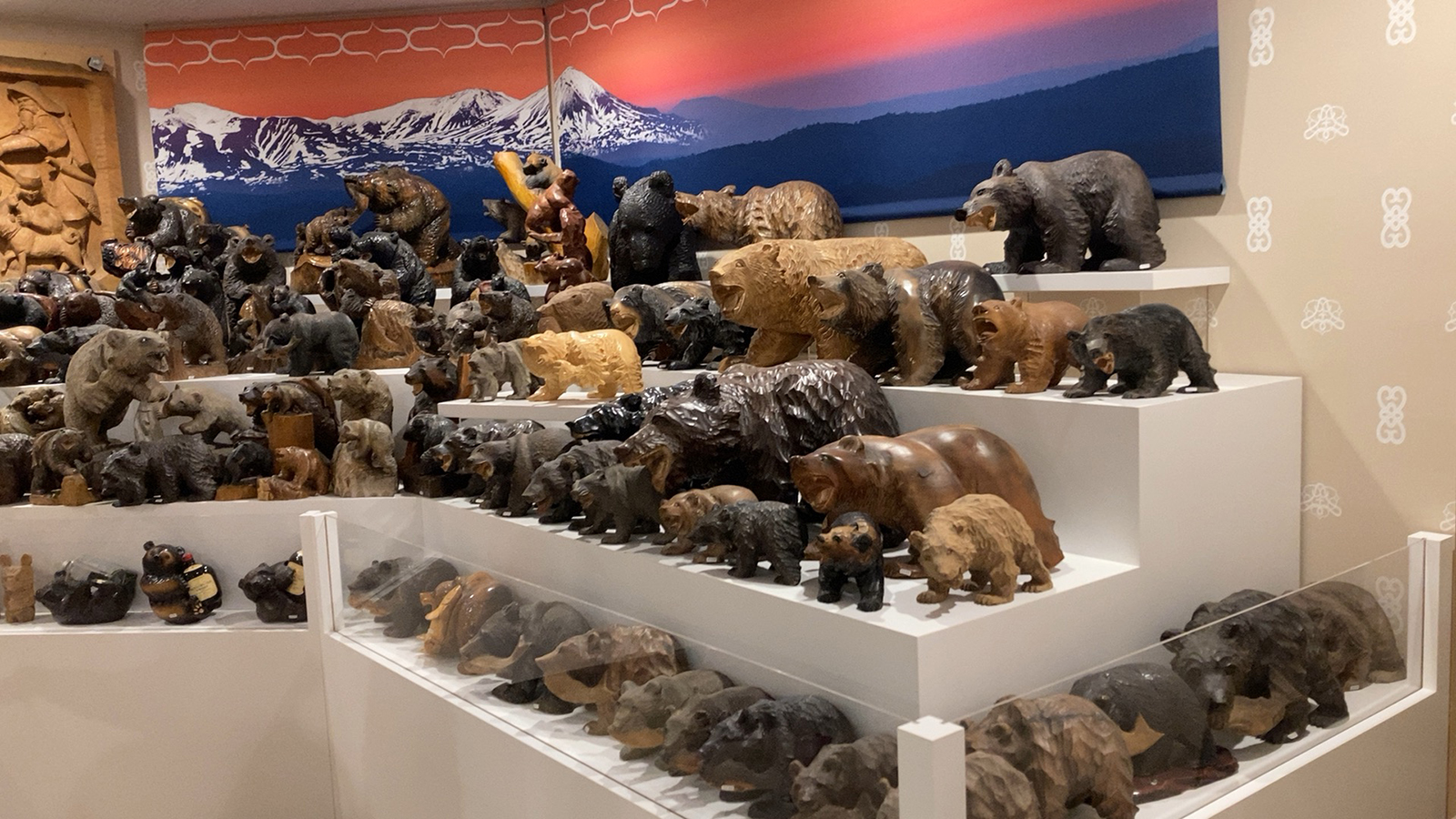
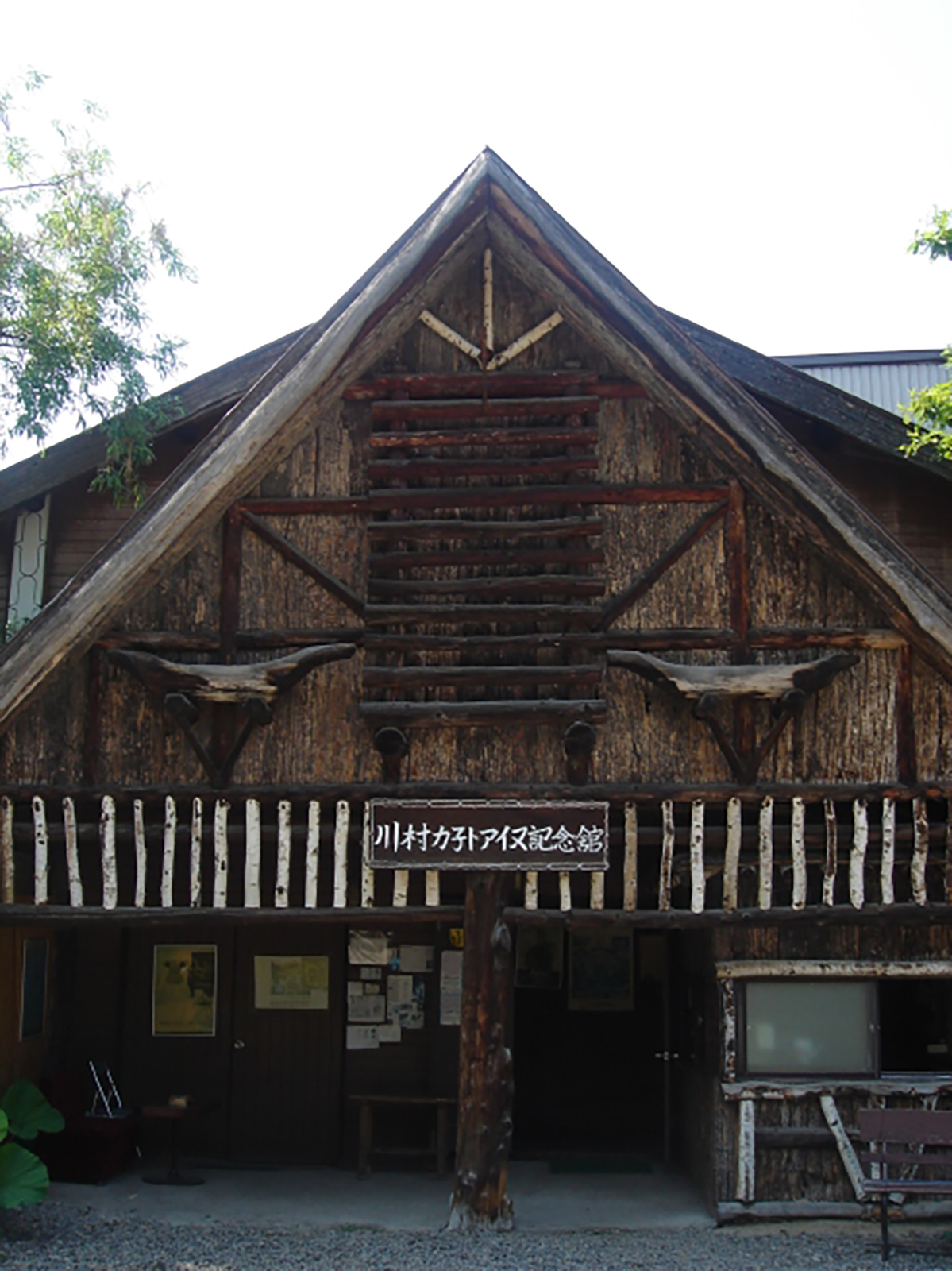
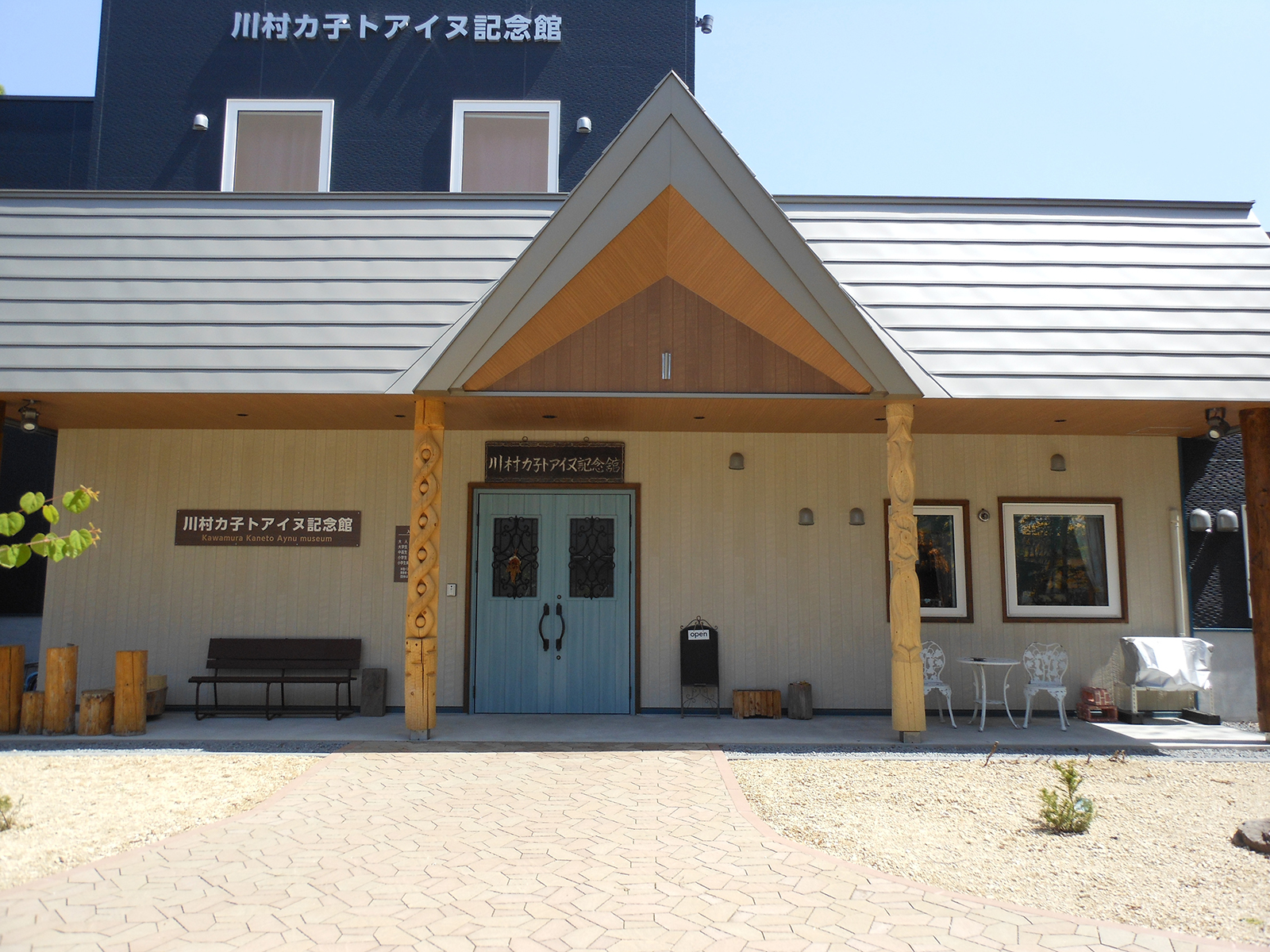
Kawamura Kaneto Aynu Museum
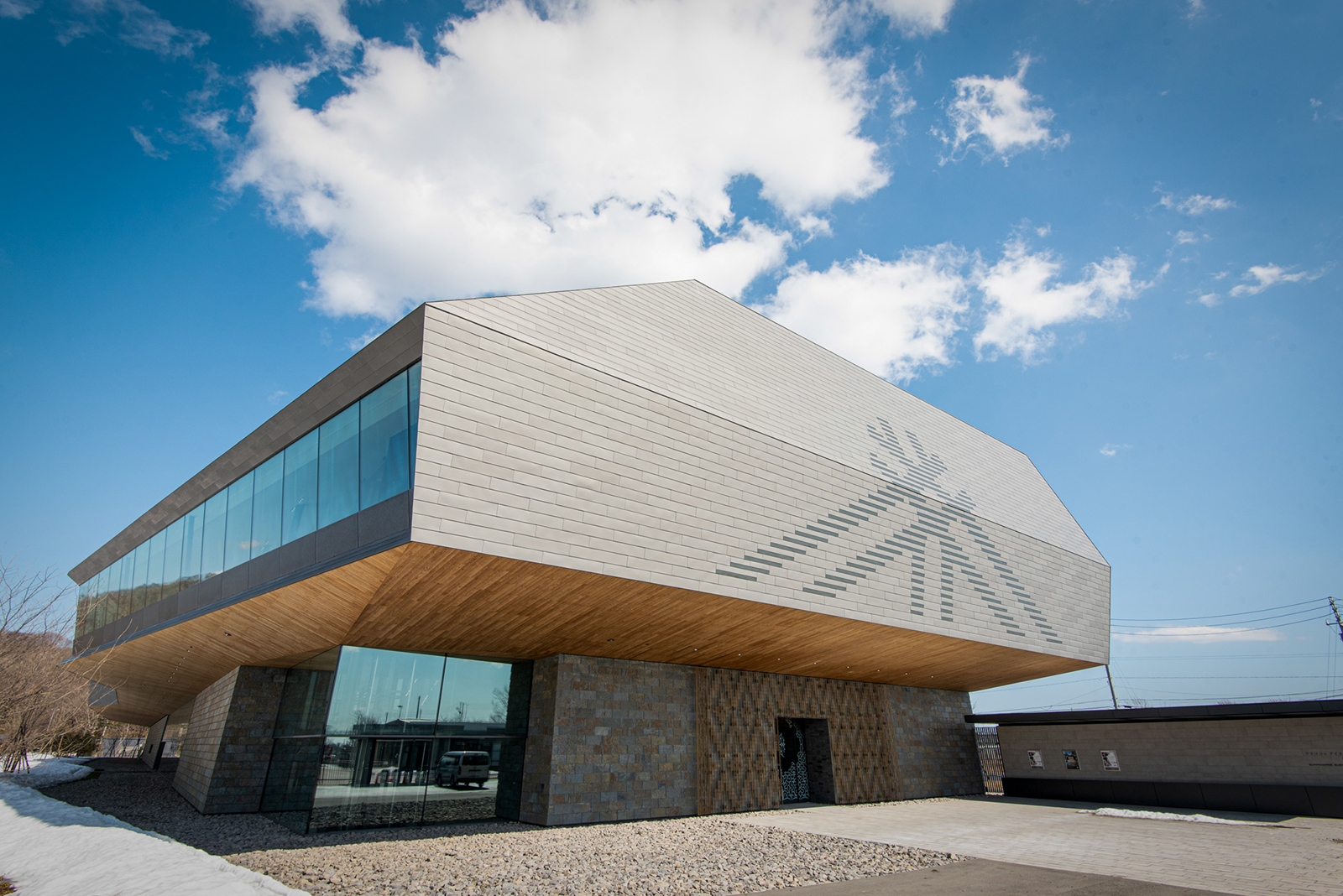
Founded in 1916, the Kawamura Kaneto Aynu Museum is the oldest Ainu museum in Japan and will celebrate its 110th anniversary in 2026. The museum was named by its founder, Kawamura Itakishiroma, after his son Kaneto, who later became its second director. Ken’ichi Kawamura succeeded him as the third director, and in 2023, Haruto became the fourth director.
The museum was established amid the broader social changes in the Asahikawa–Chikabumi area, where a military garrison was built and Wajin settlement expanded. During this time, Ainu communities in the kotan (village) were already experiencing hardship under restrictive colonial policies. Wajin visitors increasingly came to observe the kotan, regarding the residents—and even local schoolchildren—with a curious and often cold gaze. In response, Itakishiroma, a leader of the kotan, began collecting and publicly exhibiting Ainu cultural materials, an effort that formed the foundation of the museum.
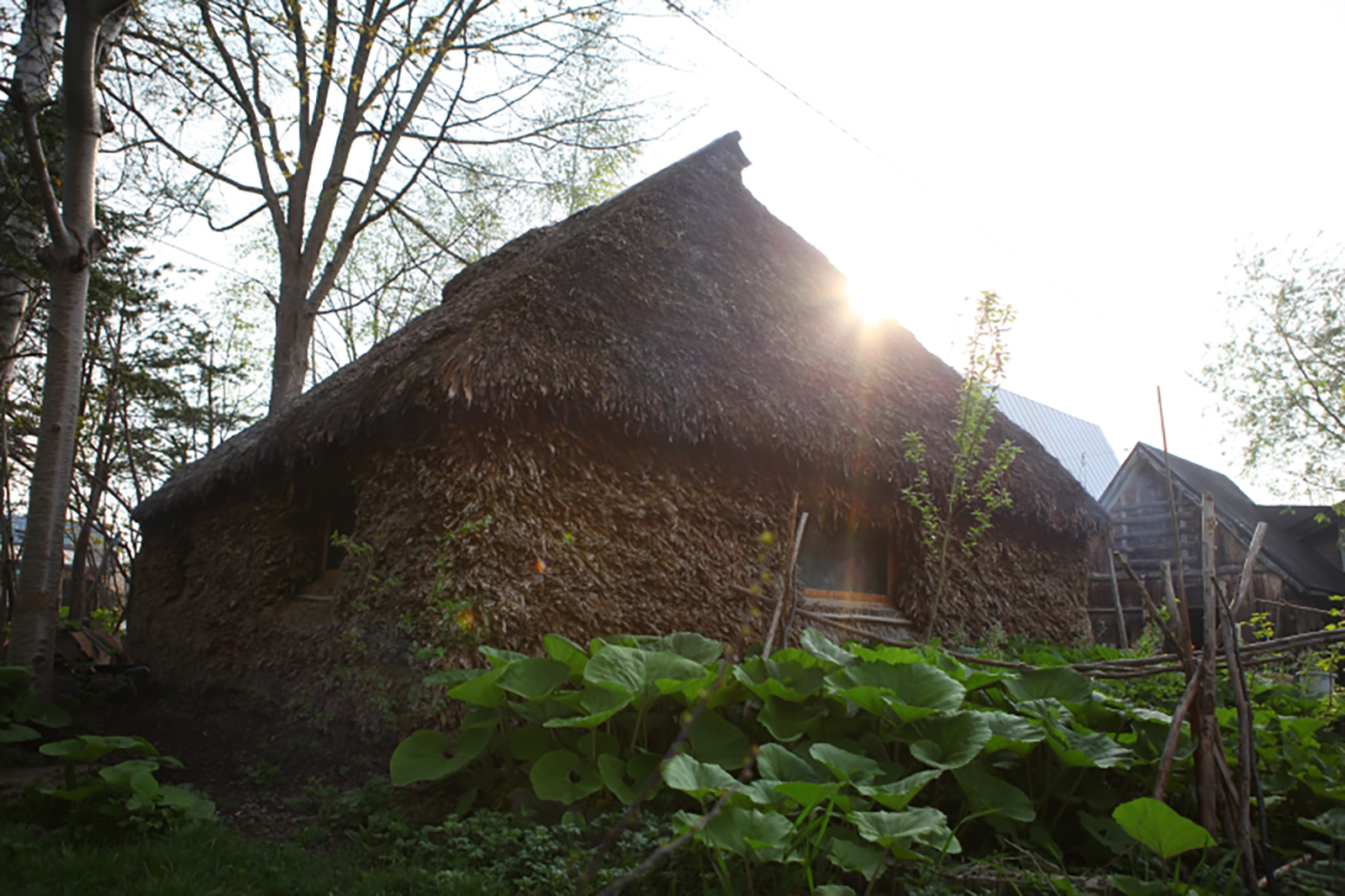
Today, the museum functions not only as a place for preserving collections and presenting exhibitions, but also as a center for education, ceremony, and community gathering. A traditional cise stands on the premises and is open for visitors. In addition to exhibitions, the museum offers hands-on learning opportunities—such as trying traditional attire, mukkuri (mouth harp) workshops, and performances of songs and dances—for schools and community groups. A new museum building was completed in 2023.
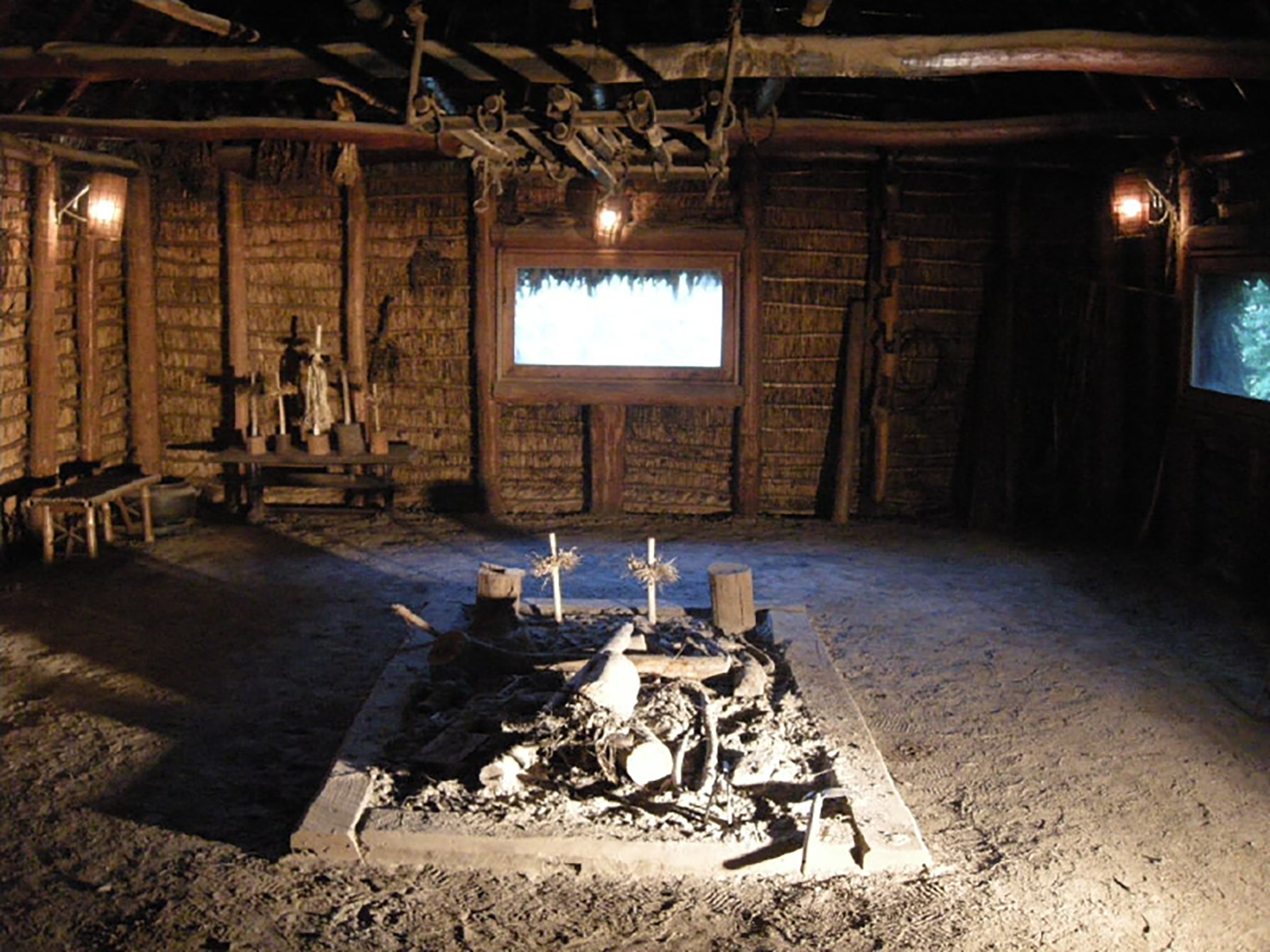
Kayano Shigeru Nibutani Ainu Museum
Director, Kayano Shigeru Nibutani Ainu Museum
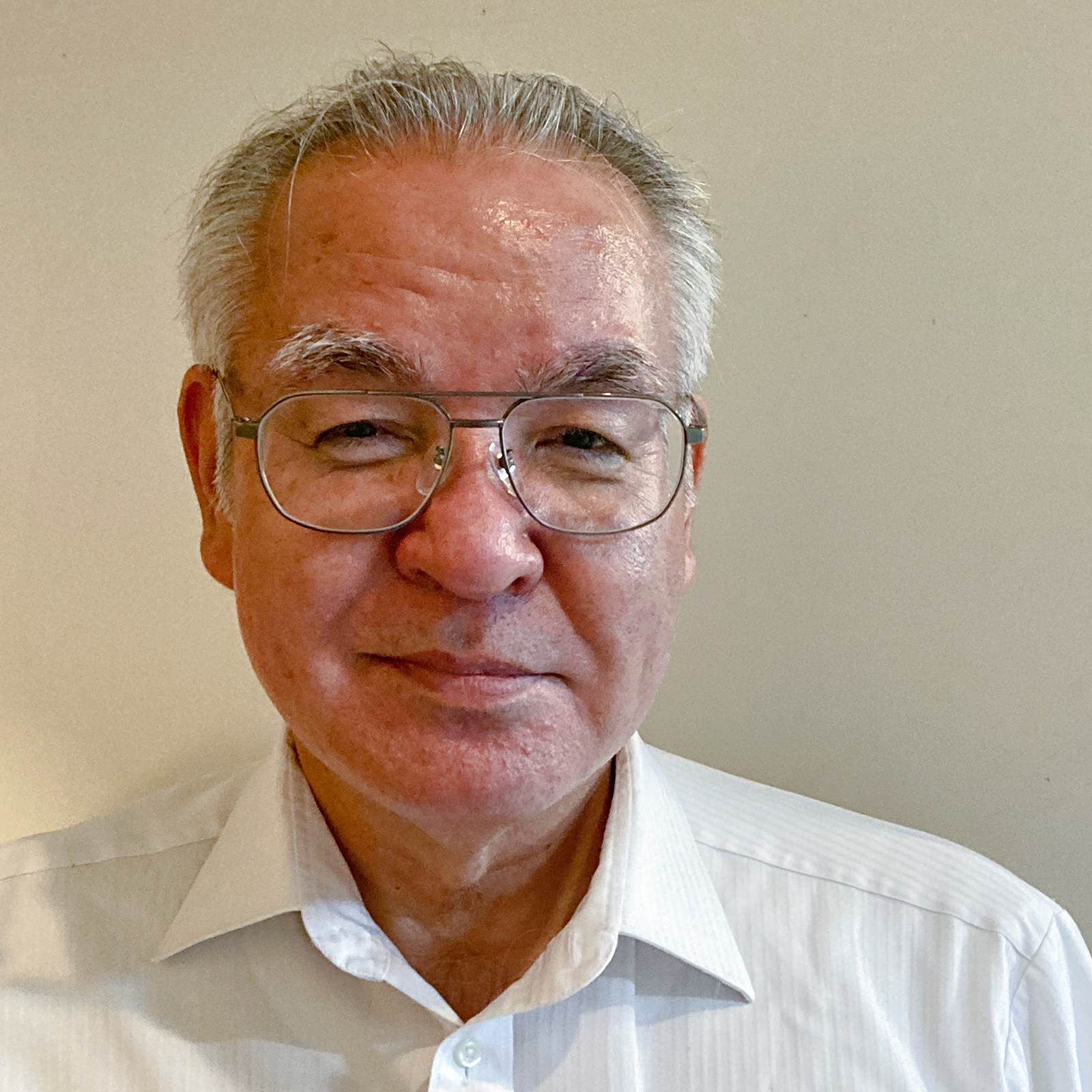
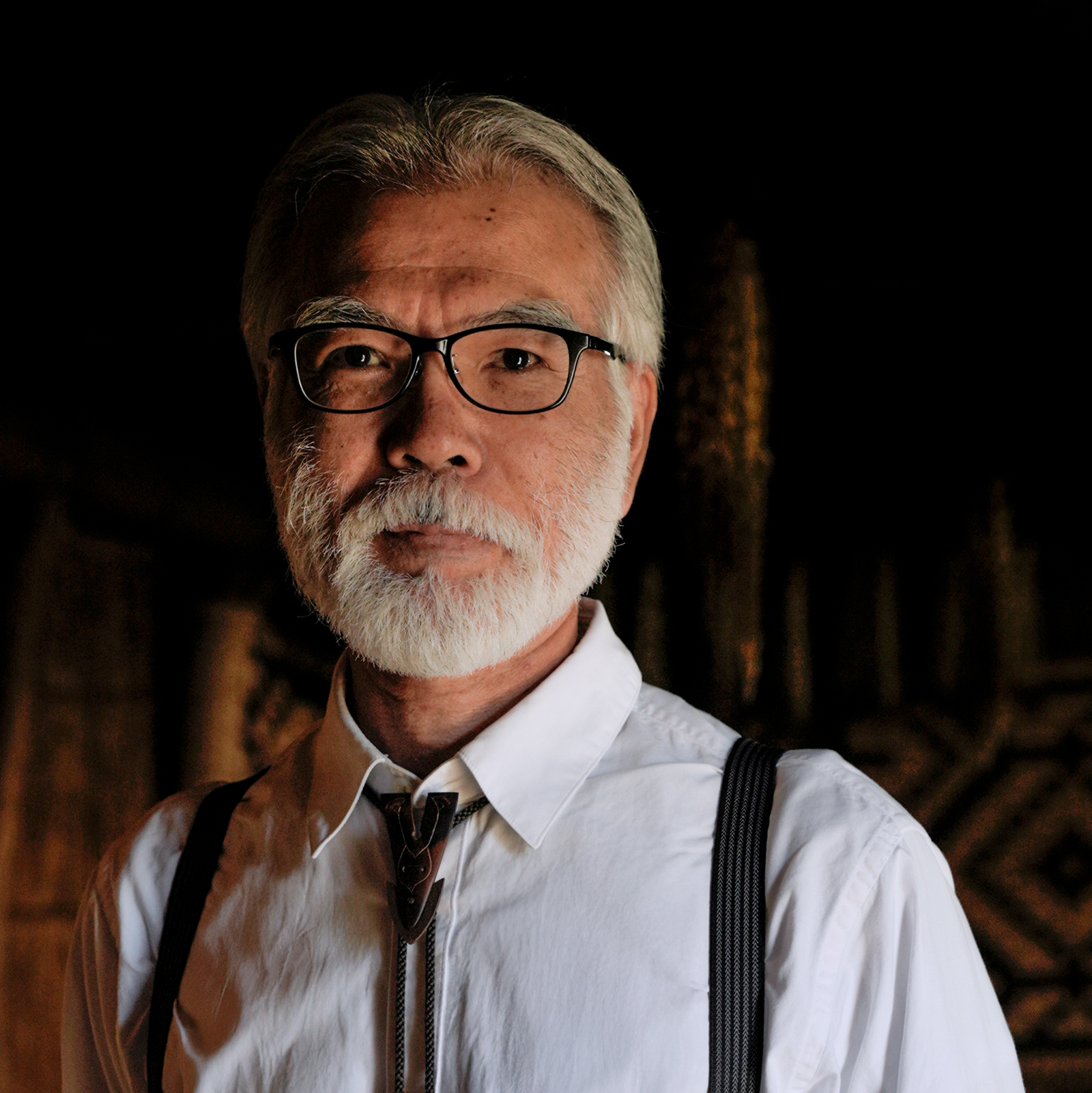
Born in April 1958 in Nibutani, Biratori, where he was also raised. He graduated from the Faculty of Law at Asia University in 1981, and later completed the Museum Curator Certification Program at Bukkyo University’s distance education division in 1990, becoming a certified curator.
He began his career in 1988 as a staff member of the Nibutani Ainu Language Class and became its Secretariat Director in 1992. In the same year, he was appointed Deputy Director and Curator of the Kayano Shigeru Nibutani Ainu Museum, and has served as its Director since April 1, 2006.
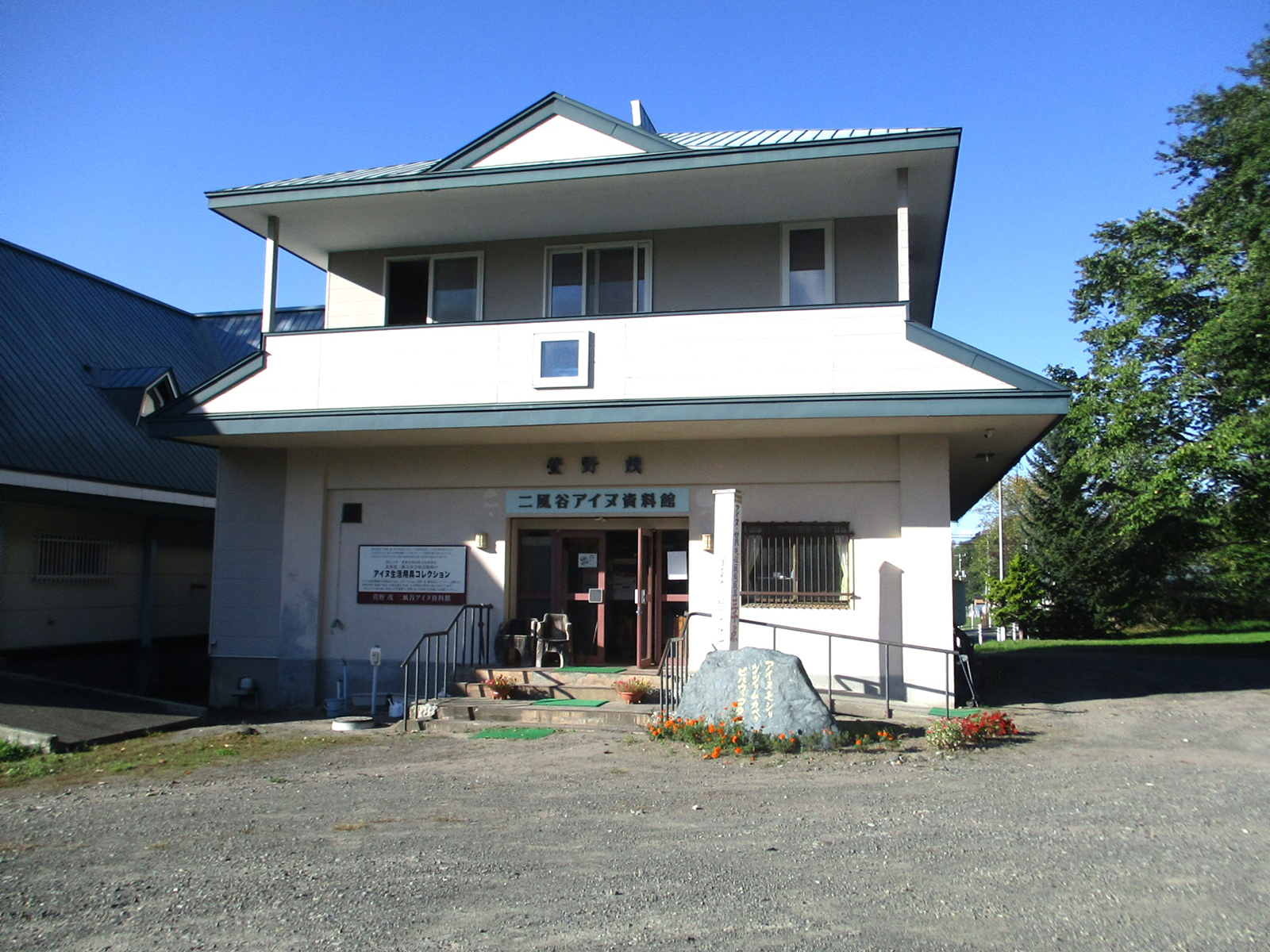
The Kayano Shigeru Nibutani Ainu Museum traces its origins to the “Nibutani Ainu Culture Museum,” founded in 1972. The museum and its collection were transferred to Biratori Town in 1977, after which it operated as a town-run institution for fifteen years. In 1991, the newly established Biratori Town Nibutani Ainu Culture Museum opened by the Nibutani Dam reservoir, and its entire collection was moved there.
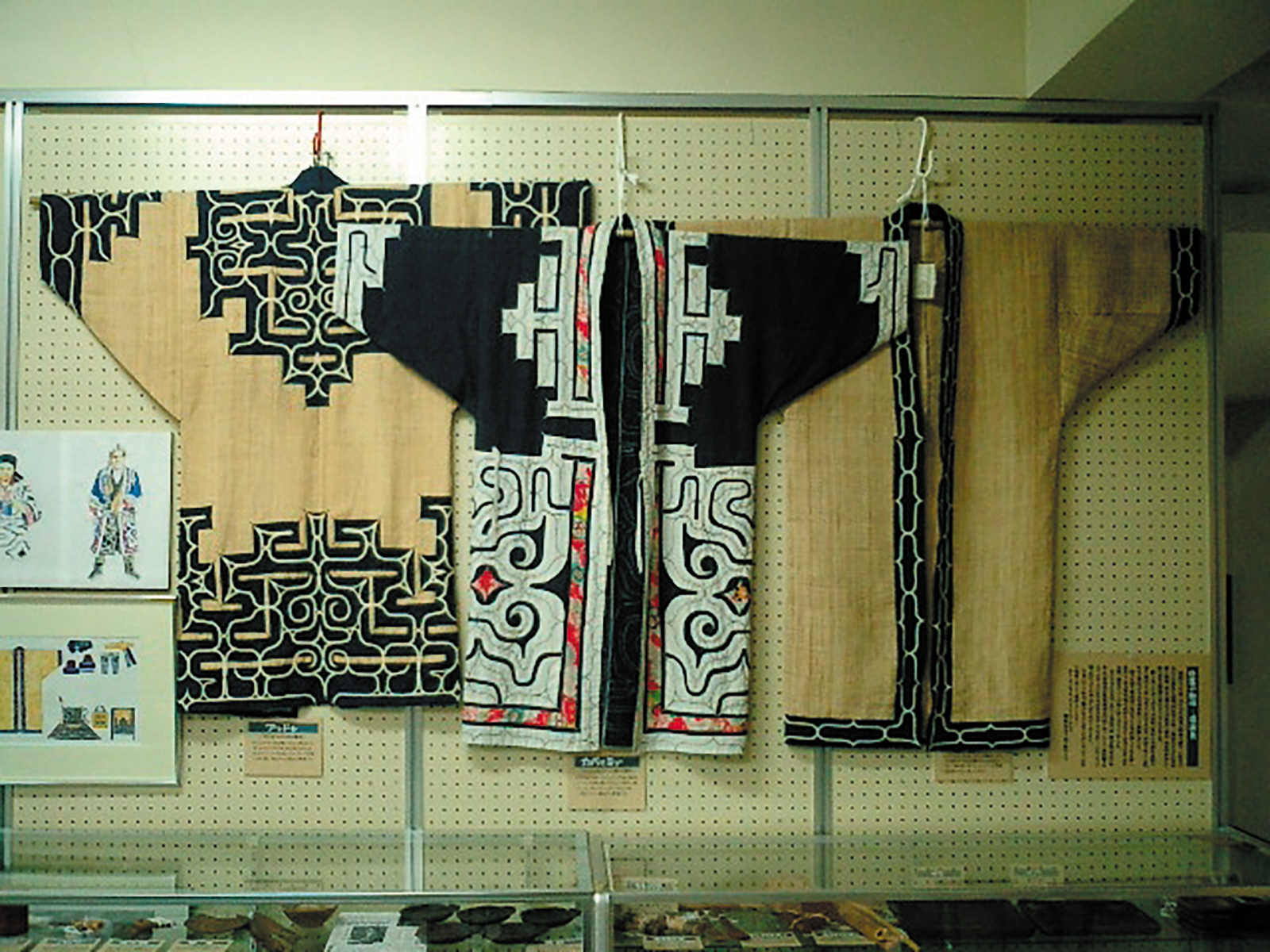
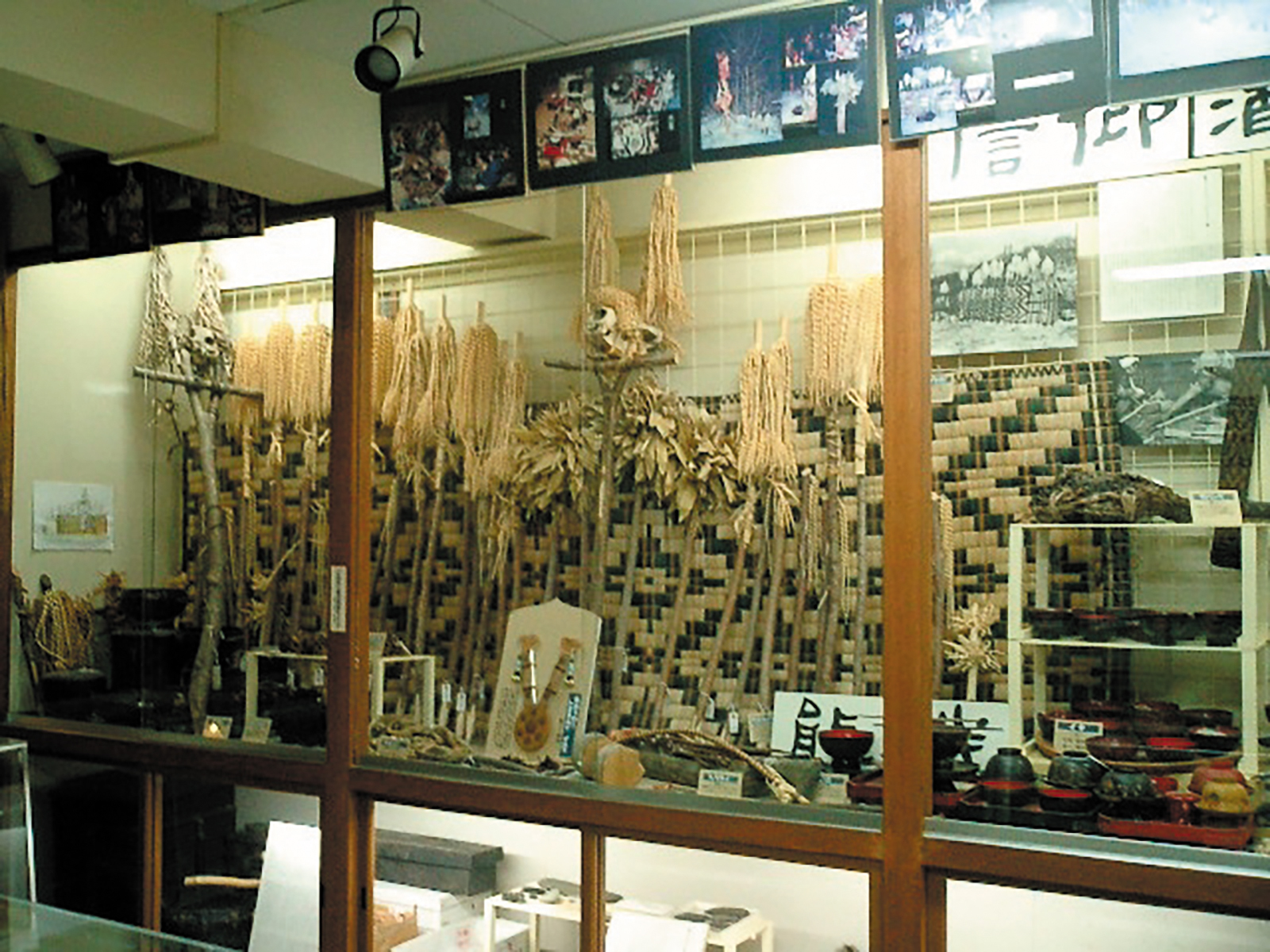
The original museum building was then reopened in March 1992 as the “Kayano Shigeru Ainu Memorial,” featuring a new collection of Ainu tools gathered and produced by Shigeru Kayano. It was later renamed the “Kayano Shigeru Nibutani Ainu Museum.” In February 2002, a total of 1,121 items—202 from the museum and 919 from the Biratori Town Nibutani Ainu Culture Museum—were collectively designated as Important Tangible Folk Cultural Properties of Japan.
Shigeru Kayano served as the museum’s first director (1992–2006), followed by Shiro Kayano, who has held the position since April 2006.
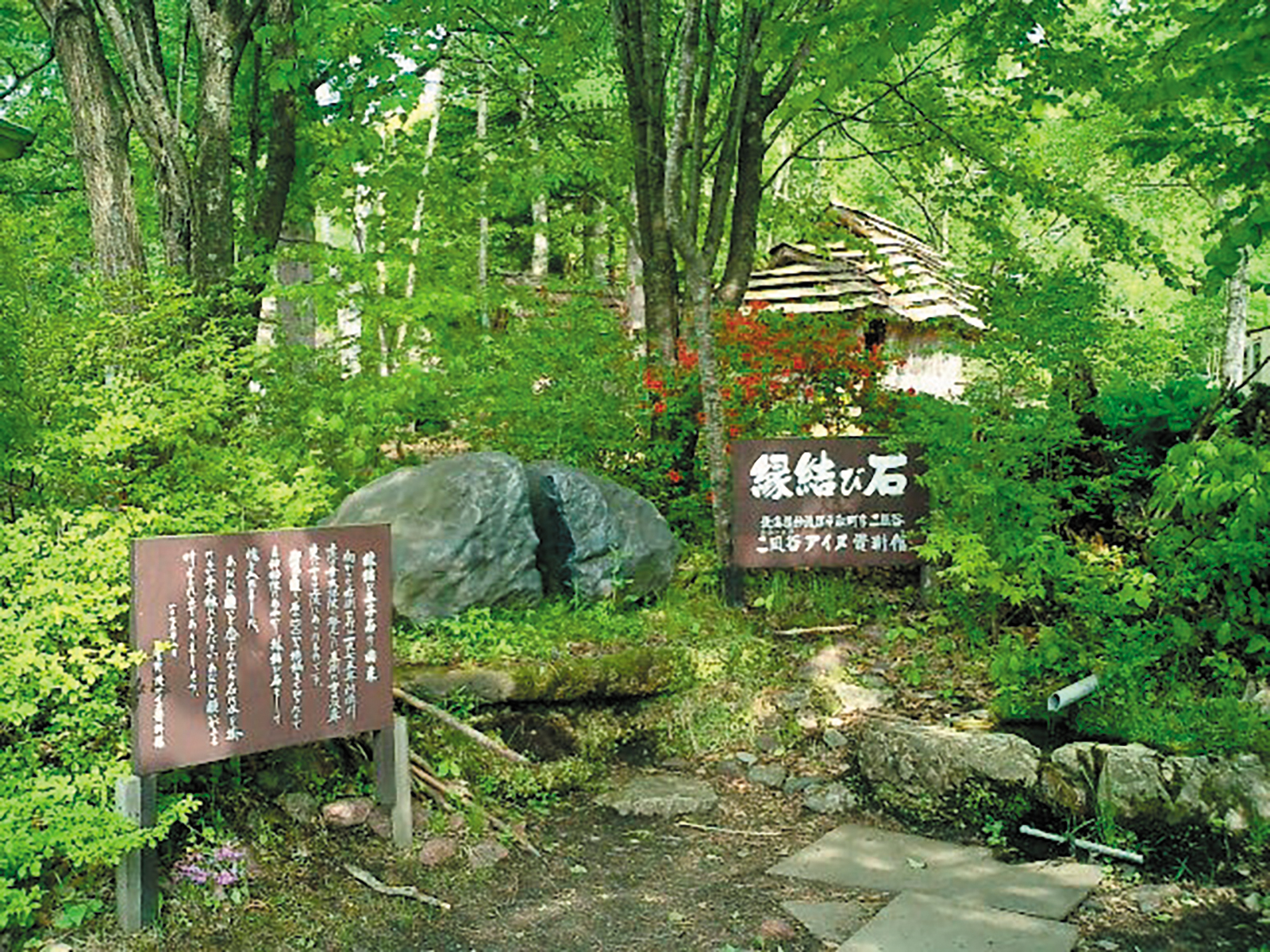
Guest House Nibutani Yanto / Nibutani Works Inc.
Owner, Guest House Nibutani Yanto
CEO, Nibutani Works Inc.
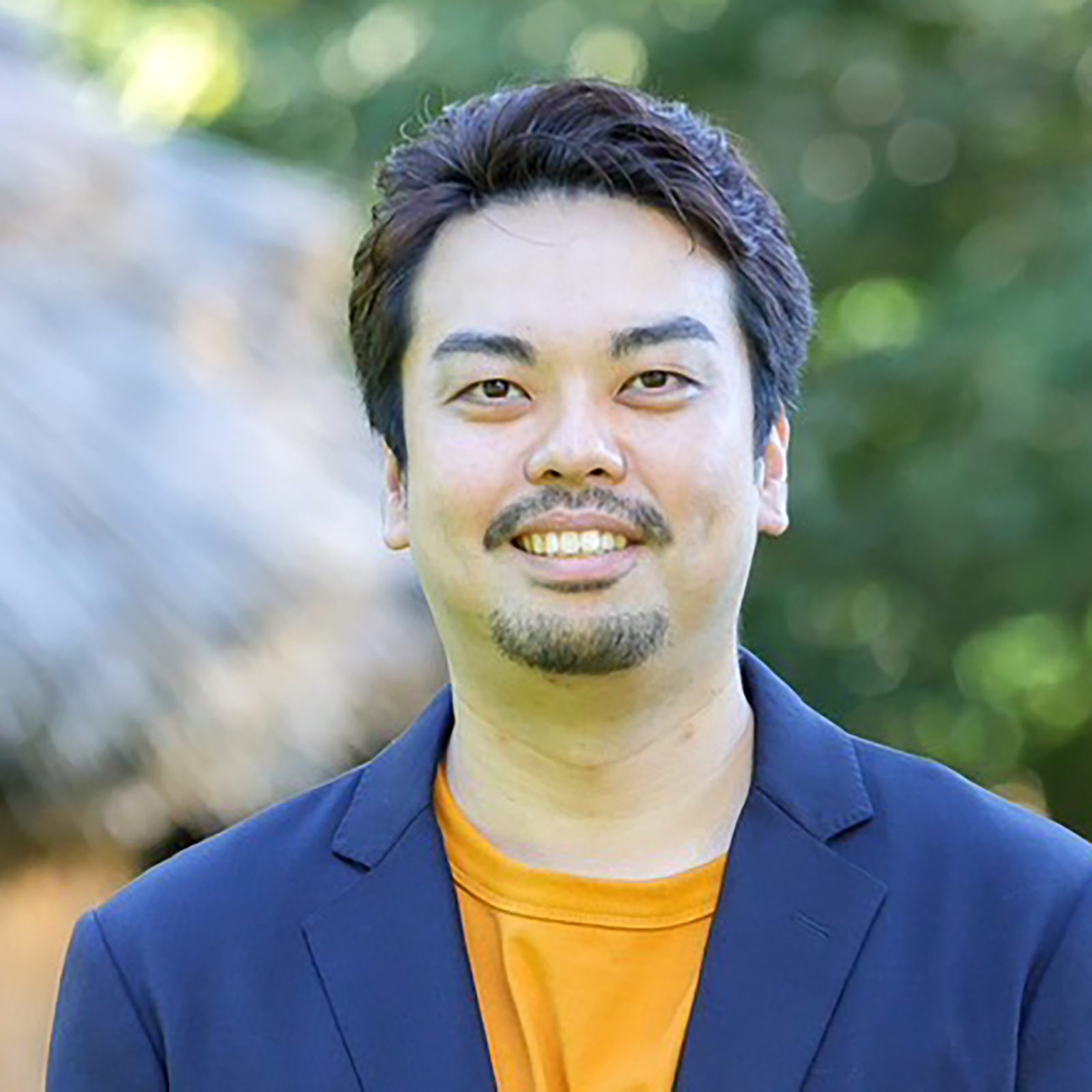
Born in 1988 in Nibutani, Hokkaido. Influenced from an early age by his grandfather, Shigeru Kayano—widely known as a leading Ainu cultural bearer—he grew up immersed in traditional customs and values. After graduating from junior high school, he left Nibutani to pursue further studies and lived in a student dormitory. At age 20, he moved to Kanagawa Prefecture, where he worked as a mechanical designer while broadening his perspective through backpacking trips during his holidays.
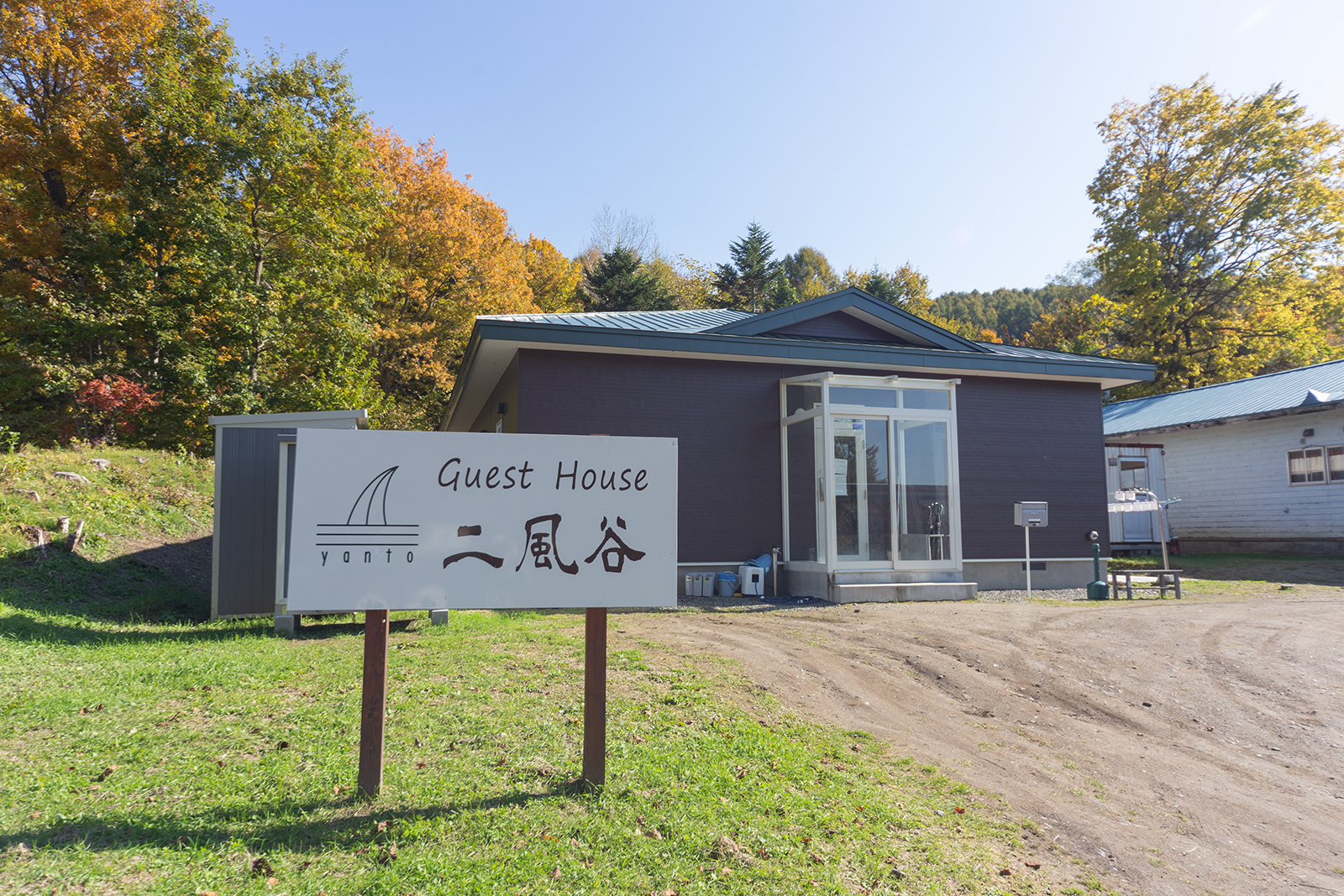
At 24, motivated by a desire to carry forward his Ainu cultural heritage and contribute to his home community, he returned to Nibutani. Drawing on his travel experiences, he opened Guesthouse Nibutani Yanto in 2018, after completing an English-language study program in the Philippines and a working holiday in Australia to prepare for the operation. He saved funds after returning to Japan and finally established the guesthouse at age 29, envisioning it as a welcoming hub for international travelers as well.
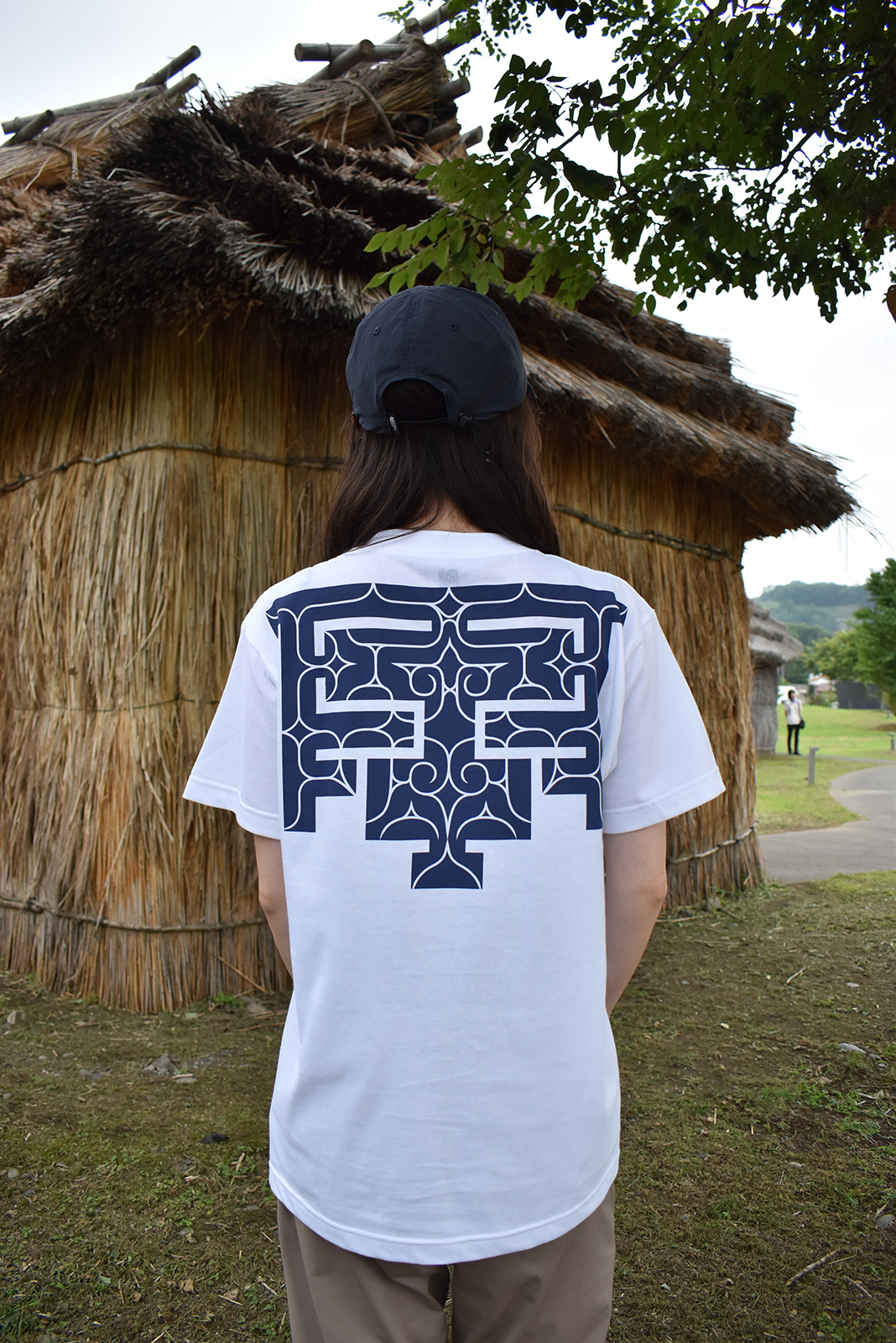
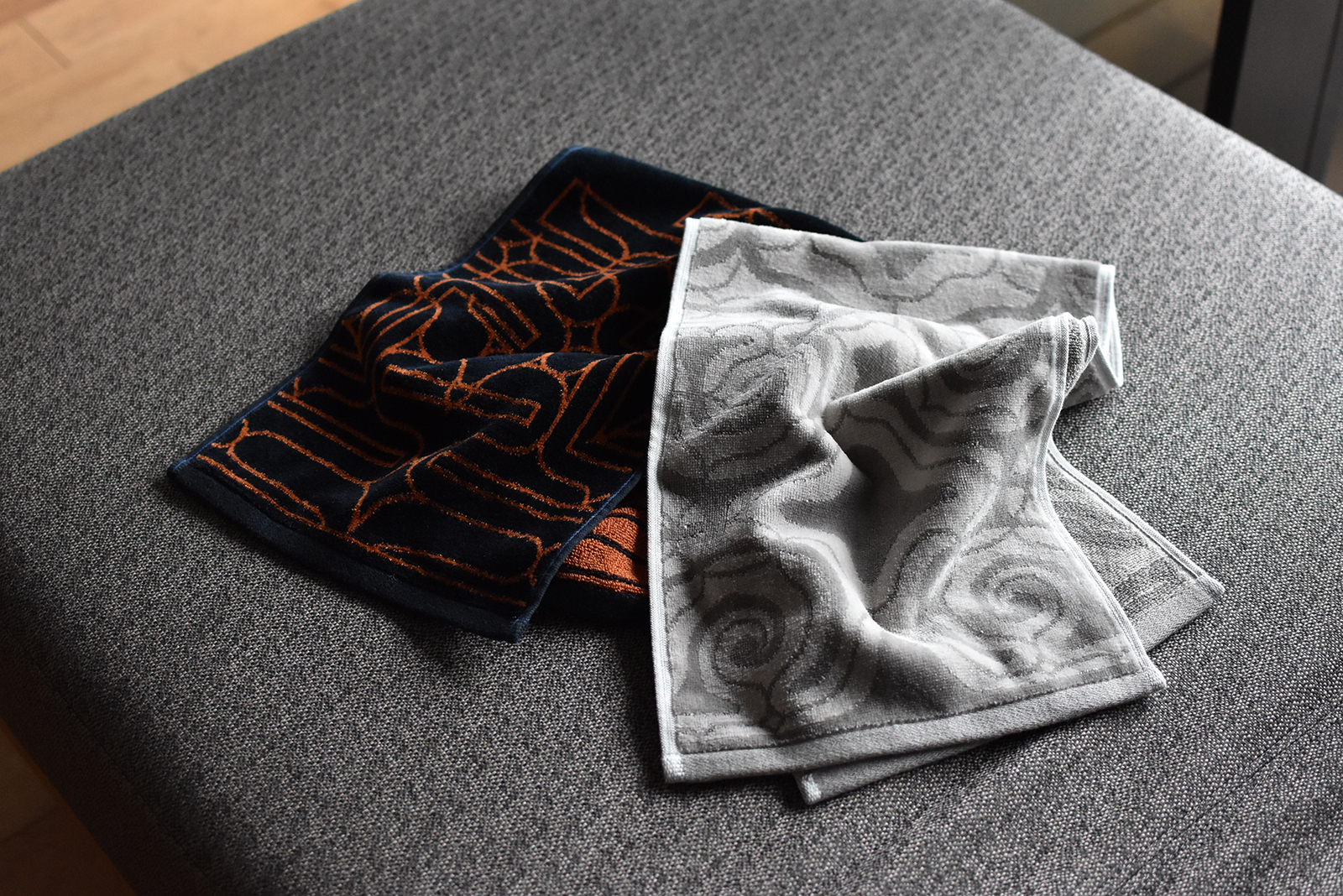
During the COVID-19 pandemic, a sharp decline in guests prompted the creation of Nibutani Works, a small manufacturing business founded with five co-investors. In collaboration with designers based in Sapporo, the company produces and sells original items—woodcrafts, apparel, towels, and other products—drawing inspiration from Ainu culture.
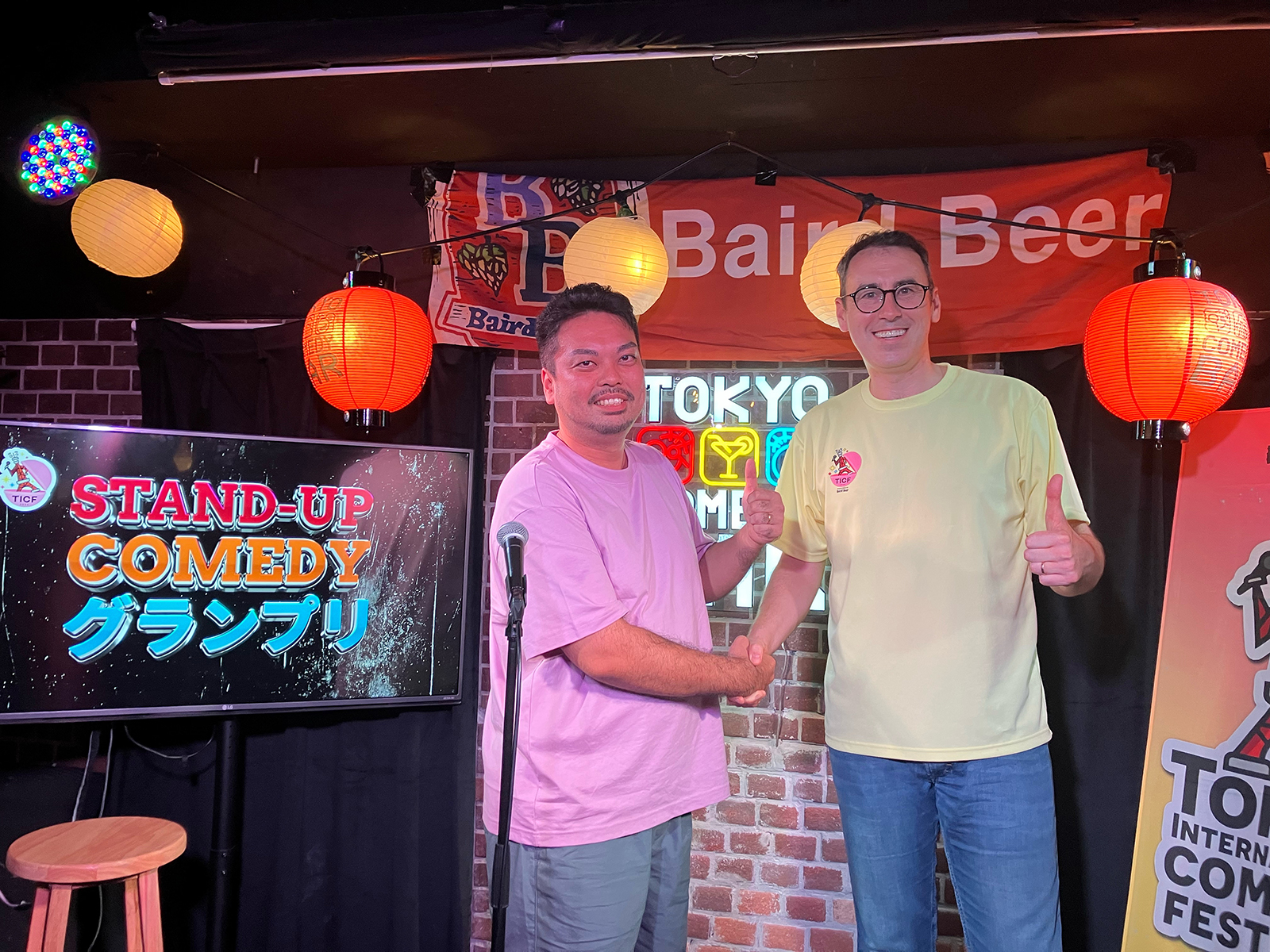
In the summer of 2024, inspired by a documentary film by Daisuke Muramoto, he also began performing stand-up comedy as a way to spark broader public engagement with social issues. He is currently expanding his expressive practice with the future goal of performing in the United States.He is a father of two children. His wife is the singer Rie Kayano.
National Ainu Museum
Executive Director, National Ainu Museum
Mr. Nomoto was born in March 1963 in Shiraoi, Hokkaido, Japan. He has worked at the Porotokotan (formerly the Ainu Museum) since 1985. The Porotokotan was established and operated by the local Ainu of Shiraoi and laid the foundation for transmitting Ainu culture and developing cultural bearers. Mr. Nomoto worked as the head of the curatorial department here before being appointed Executive Director and Executive Board member of the former museum in 2012. Since 2012, he has been involved in conceptualizing the National Ainu Museum as a committee member. He was later appointed Director of the Cultural Promotion and Exchange Department of the UPOPOY National Ainu Museum and Park (the Foundation for Ainu Culture). After the institution’s opening, he resumed his position as Deputy Executive Director of the UPOPOY National Ainu Museum and Park in 2023. He has also been a member of the Executive Board of the Foundation. In July 2025, Mr. Nomoto was appointed Executive Director of the National Ainu Museum, becoming the first indigenous director of a national museum in Japan.
In addition to his official position, Mr. Nomoto has been invited to serve as an expert on the planning and production of Ainu cultural exhibitions in Japan and abroad, in which he has crafted some of the artifacts himself. A notable example includes his participation in the Smithsonian National Museum of Natural History’s special exhibition, “AINU: Spirit of a Northern People” (1999). Today, the Ainu trading ship itaomacip, is on permanent display in the museum’s North Pacific Peoples’ Culture and Exchange section.
Mr. Nomoto is fondly known as retanrek, an Ainu nickname (ponre) used in UPOPOY.
- Walk-ins are accepted. Reservations will be prioritized once capacity is reached.
- This venue is nearly full. Participants arriving after the start time may be required to stand.